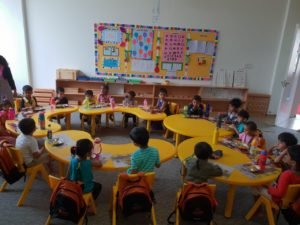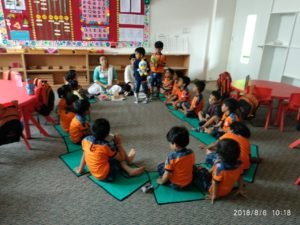
For parents exploring schools for the 2027–28 academic year, the phrase best schools in JP Nagar can lead to many options. But what actually makes a school stand out? Rather than judging a school only by popularity, parents can look at the qualities that shape a child’s everyday experience, from teaching and learning to opportunities, safety, values and school culture.
For families seeking quality education in South Bengaluru, institutions such as Skalvi International School in Kothnur, JP Nagar 8th Phase, can serve as a strong benchmark during this evaluation. The aim is not to identify a school through one feature, but to understand the overall environment offered to students.
What Does “Best School” Really Mean?
The meaning of “best” can differ from one family to another. One parent may prioritise academic support, while another may focus on extracurricular opportunities, technology, safety or long-term educational continuity.
A strong school environment can bring several elements together:
→ Strong academic foundations
→ Opportunities for holistic development
→ Meaningful use of technology
→ Safe and supportive surroundings
→ Strong values and responsible behaviour
→ Positive teacher-student relationships
→ Useful learning resources
→ Opportunities to participate and achieve
The right combination depends on the child and the family’s expectations.
Does Academic Quality Define a Good School?
Academic quality remains an important consideration, but parents should look beyond examination performance alone. A school’s academic environment should encourage children to understand concepts, ask questions and develop confidence in learning.
Parents can consider:
→ How teachers explain concepts
→ Whether students can ask questions freely
→ How progress is monitored
→ How learning gaps are addressed
→ Whether independent thinking is encouraged
This helps parents understand the learning experience rather than relying only on academic statistics.
Families can explore Skalvi International School’s Academic Programmes to understand its academic approach.
How Important Is Holistic Development?
Children develop through experiences inside and outside the classroom. A school that provides opportunities for sports, creative activities, projects and collaboration can help students build skills that complement academic learning.
Parents can ask about opportunities involving:
→ Sports and physical activities
→ Arts and creative expression
→ Projects and presentations
→ Teamwork
→ Communication
→ Leadership
These experiences can help students discover interests and become more confident participants in school life.
What Role Does Technology Play?
Modern education increasingly incorporates technology, but the quality of implementation matters. Parents should look at whether technology genuinely supports learning.
A technology-enabled learning environment may use digital resources to:
→ Explain difficult concepts
→ Make lessons more interactive
→ Support visual learning
→ Provide additional learning resources
→ Encourage responsible digital skills
Technology should complement teachers and classroom interaction rather than become a substitute for meaningful teaching.
Why Does School Culture Matter?
A child spends a significant part of the day at school, making the overall culture important. Parents should look for an environment where students are encouraged to demonstrate respect, responsibility, empathy and cooperation.
During a visit, parents can observe:
→ How teachers speak with students
→ How students interact with one another
→ How discipline is handled
→ Whether children are encouraged to take responsibility
→ Whether collaboration is valued
These observations can provide insight into the everyday school experience.
How Important Are Safety and Security?
A strong educational environment must also provide appropriate safety measures. Parents should understand how the school manages student safety throughout the school day.
Important areas include:
→ Campus access
→ Visitor management
→ Student supervision
→ Emergency procedures
→ Activity safety
→ Transportation safety
Safety should be considered alongside academics and student development when evaluating schools.
Does Parent-School Communication Matter?
A child’s education works best when parents and school can maintain a constructive connection. Parents should understand how the school communicates about academic progress, activities, events and areas where a child may need additional support.
A healthy parent-school connection can include:
→ Regular academic updates
→ Clear announcements
→ Opportunities for parent interaction
→ Student progress discussions
→ Accessible communication channels
Parents should also understand how students can approach teachers when they need guidance.
What Learning Resources Should Parents Look For?
Resources can support the way students learn and explore new ideas. Parents should examine whether the school provides suitable learning spaces and whether students actually use them.
During a campus visit, consider:
→ Classrooms
→ Library
→ Laboratories
→ Activity areas
→ Sports facilities
→ Technology resources
The focus should be on usefulness rather than simply the appearance or size of the facilities.
Parents can also explore Skalvi’s educational approach to understand the broader aspects that can contribute to a child’s school experience.
Do Student Achievements Matter?
Achievements can provide useful context, but parents should look at the opportunities that allow students to participate and develop their abilities.
These may include:
→ Academic competitions
→ Sports
→ Arts
→ Projects
→ Cultural activities
→ Leadership opportunities
The objective should be to understand whether students are encouraged to participate and explore their potential.
Can Location Influence a School’s Overall Suitability?
Location does not determine educational quality, but it can influence everyday practicality. A manageable commute can leave children with more time for sleep, homework, recreation and extracurricular activities.
Parents should consider:
→ Travel time
→ Traffic conditions
→ Transport availability
→ Pickup and drop arrangements
→ Effect on the child’s routine
Families considering JP Nagar 8th Phase can verify current campus information through the Skalvi Contact Page.
How Can Parents Identify What Matters Most for Their Child?
Instead of asking only, “Which is the best school?”, parents can ask, “Which school provides the environment my child needs?”
Consider the child’s:
→ Academic requirements
→ Interests
→ Learning preferences
→ Social development
→ Physical activities
→ Future educational plans
This makes the school-selection process more personal and practical.
What Should Parents Observe During a School Visit?
A campus visit can help families understand the environment beyond published information.
Parents can observe:
→ Classroom engagement
→ Teacher-student interaction
→ Student behaviour
→ Learning resources
→ Campus organisation
→ Safety practices
→ Overall atmosphere
Children should also be encouraged to share their impressions after visiting the school.
Conclusion
The best schools in JP Nagar are not defined by one feature alone. Parents should consider the complete environment in which children learn, interact, participate and develop. Academic quality, holistic opportunities, technology, safety, values, communication, resources and student participation can all contribute to a meaningful school experience.
For families seeking quality education in South Bengaluru, institutions such as Skalvi International School in Kothnur, JP Nagar 8th Phase, can serve as a strong benchmark during this evaluation. For the 2027–28 academic year, parents can combine verified information, campus visits and their child’s individual needs before making a final decision.
Frequently Asked Questions
1. What makes a school one of the best schools in JP Nagar?
A strong combination of academics, student development, safety, values, resources and a supportive learning environment can make a school stand out.
2. Is academic performance the only measure of a good school?
No. Parents should also consider holistic development, school culture, safety and student opportunities.
3. Why are extracurricular activities important?
They can help children develop creativity, confidence, teamwork and communication skills.
4. How can technology improve school learning?
Technology can make lessons more interactive and provide additional resources when used purposefully.
5. Why should parents observe school culture?
School culture influences how children experience relationships, responsibility, discipline and collaboration.
6. What safety areas should parents ask about?
Parents can ask about campus access, visitor management, supervision, emergencies, activities and transportation.
7. Why is parent-school communication important?
Clear communication helps families stay informed about academic progress, activities and student support.
8. What should parents check during a campus visit?
They can observe classrooms, teacher-student interaction, learning resources, safety arrangements and the general environment.
9. Should school achievements influence the decision?
Achievements can provide useful context, but parents should also examine the opportunities and participation behind them.
10. How can parents decide which school is best for their child?
They should compare schools according to their child’s academic, developmental, social and practical needs.