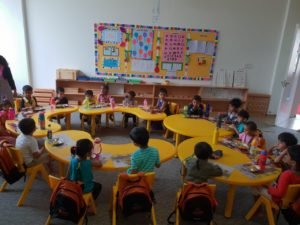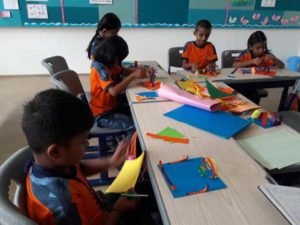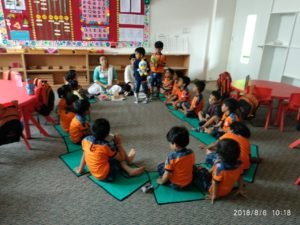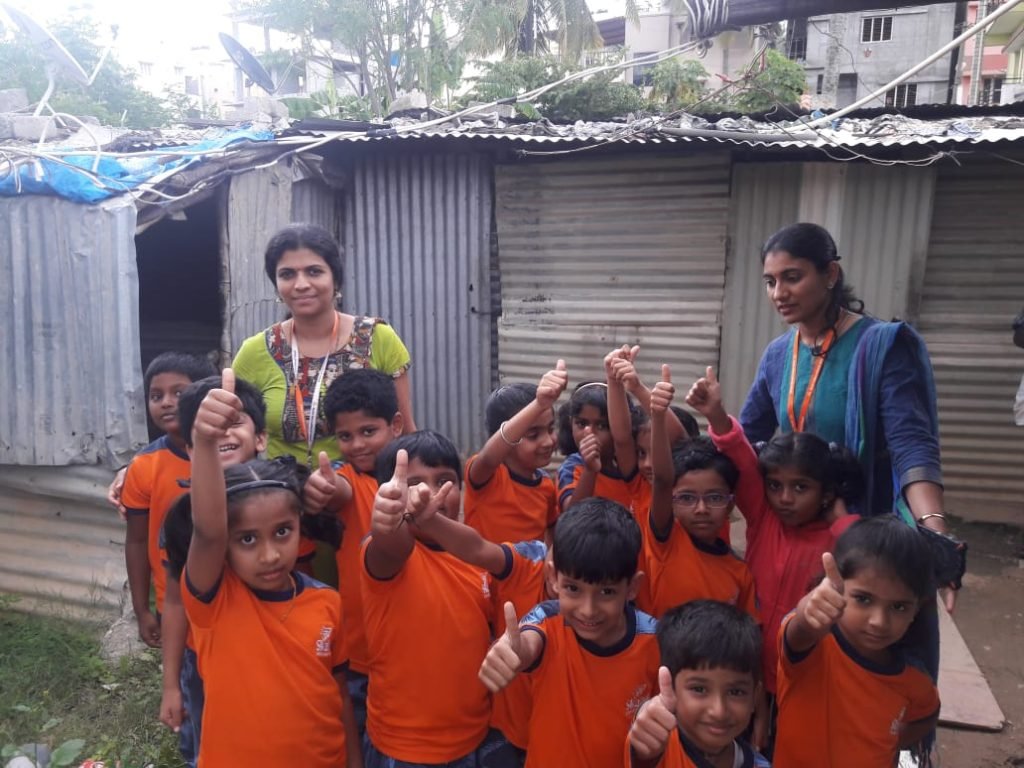
Parents visiting a CBSE school in JP Nagar should ask about curriculum delivery, teaching methods, class participation, student support, safety, activities, transport, communication and long-term academic continuity. A campus visit should help parents understand how the school actually functions every day—not simply confirm what they have already seen online.
Families planning a school admission visit in JP Nagar can begin their research through Skalvi International School, located in Kothnur, JP Nagar 8th Phase, Bengaluru.
Why Should Parents Prepare Questions Before a School Visit?
A school tour can pass quickly. Without a prepared checklist, parents may focus mainly on buildings, classrooms and visible facilities while missing questions that directly affect the child’s learning experience.
Useful school visit questions in JP Nagar should help parents understand:
→ How teachers deliver the CBSE curriculum
→ How children participate in class
→ What happens when a student needs help
→ How progress is assessed
→ Which activities are available
→ How parents receive updates
→ Whether the school can support future grades
→ How practical the daily commute will be
The objective is to understand whether the school fits the individual child.
1. How Is the CBSE Curriculum Actually Taught?
One of the first questions should be:
“How do teachers help students understand concepts rather than simply complete the syllabus?”
Following the CBSE curriculum does not mean every school teaches in exactly the same way.
Parents should ask whether lessons include:
→ Discussions
→ Projects
→ Experiments
→ Presentations
→ Problem-solving
→ Practical applications
Skalvi describes experiential and exploratory learning across its Academic Programmes.
Parents should ask how these approaches are used specifically in their child’s grade.
2. How Much Do Students Participate During Lessons?
A classroom should not consist only of a teacher speaking and students listening.
Ask:
“How are students encouraged to ask questions and participate?”
Participation can help teachers understand whether students genuinely follow a lesson.
During the visit, parents can observe whether children appear comfortable communicating with teachers and classmates.
A supportive classroom should encourage participation without putting unnecessary pressure on children who are naturally quieter.
3. What Happens If My Child Struggles Academically?
This is one of the most important CBSE school visit questions.
Ask:
“How do teachers identify and support students who are finding a subject difficult?”
Parents should understand:
→ How learning gaps are identified
→ Whether additional guidance is available
→ How progress is monitored
→ When parents are informed
→ How teachers adapt support
Even strong students can encounter challenging subjects as they move into higher grades.
4. How Is Student Progress Assessed?
Parents should ask how the school evaluates learning beyond examination marks.
Useful follow-up questions include:
→ Are there regular assessments?
→ Are projects included?
→ Do teachers provide feedback?
→ How are parents informed about progress?
→ How does the school identify areas for improvement?
Assessment should help both teachers and parents understand the student’s progress.
5. What Activities Are Available for My Child’s Grade?
Extracurricular opportunities can support creativity, communication, physical fitness and teamwork.
Parents should ask:
“Which activities are currently available for this particular grade?”
Avoid assuming that every activity advertised by a school is available to every age group.
Parents can understand Skalvi’s broader approach to learning and development through its Top 10 Reasons.
The important factor is whether activities happen regularly and are balanced appropriately with academics.
6. How Does the School Support Student Wellbeing?
Children spend a large portion of their day at school.
Parents should ask:
→ Who can students approach when they need help?
→ How are behavioural concerns handled?
→ How does the school respond to conflicts between students?
→ What student-support systems are available?
A child should feel safe asking adults for help.
Parents should observe the general interaction between students and staff during the campus visit.
7. What Safety Procedures Should Parents Ask About?
School safety should be discussed directly rather than assumed.
Ask about:
→ Entry and exit procedures
→ Student dispersal
→ Visitor access
→ Emergency processes
→ Supervision during breaks
→ Transport procedures
Parents do not need to inspect every operational detail during the first visit, but they should understand the school’s overall approach to student safety.
8. What Should Parents Ask About School Transport?
For Bengaluru families, commute planning is an important part of admission.
Ask:
“Does the current transport network cover our locality?”
Also check:
→ Approximate pickup location
→ Typical journey duration
→ Morning pickup timing
→ Afternoon drop timing
→ How transport updates are communicated
Parents considering the JP Nagar campus can confirm its official location through the Skalvi Contact Page.
9. Can the School Support My Child in Future Grades?
Parents should think beyond the upcoming academic year.
Ask:
“What does the learning pathway look like as students progress to higher grades?”
A child’s needs will change between primary, middle, secondary and senior-secondary education.
Parents who prefer academic continuity should check future grade availability and how teaching changes as students become older.
10. What Should Parents Observe Instead of Asking?
Not every answer needs to come from a conversation.
During a campus visit, observe:
| Area | What to Look For |
|---|---|
| Classroom | Student participation and organisation |
| Teachers | Communication and approachability |
| Students | Comfort and engagement |
| Learning spaces | Actual use, not only appearance |
| Campus | Cleanliness and organisation |
| Activities | Evidence of regular participation |
| Environment | Whether the child feels comfortable |
A school admission visit in JP Nagar should help parents compare what a school says with what they actually observe.
Frequently Asked Questions
1. What should I ask during a CBSE school visit in JP Nagar?
Ask about curriculum, teaching, student support, assessment, activities, safety, transport and future grades.
2. Should parents prepare questions before visiting a school?
Yes. A prepared checklist prevents important academic and practical questions from being forgotten.
3. What is the most important academic question to ask?
Ask how teachers help students understand concepts and what support is given when a child struggles.
4. Should parents ask about class participation?
Yes. Understanding how students ask questions, discuss ideas and interact with teachers can reveal a lot about classroom learning.
5. What should parents ask about extracurricular activities?
Ask which activities are currently available for the child’s specific grade and how often they occur.
6. Should parents ask about student wellbeing?
Yes. Parents should understand whom students can approach and how the school supports children who need help.
7. What transport questions should parents ask?
Ask about route coverage, pickup points, travel duration and transport communication.
8. Should parents observe classrooms during a school visit?
Yes. Classroom organisation and teacher-student interaction can provide useful insight into everyday learning.
9. Should parents think about future grades during admission?
Yes. Long-term academic continuity can be important for families who prefer fewer school changes.
10. Is one campus visit enough to choose a school?
A visit is important, but parents should combine it with official verification, academic research and consideration of the child’s needs.