The Science of Hands-On Education at Skalvi
Experiential learning benefits for students include deeper conceptual understanding, stronger knowledge retention through peer learning, and the development of a scientific temper. By shifting from passive memorization to active Knowing by Doing methodologies, students transform theoretical knowledge into practical experience while improving academic performance.
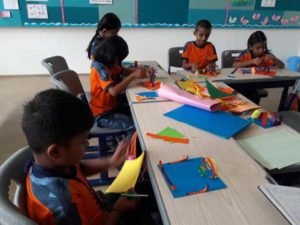
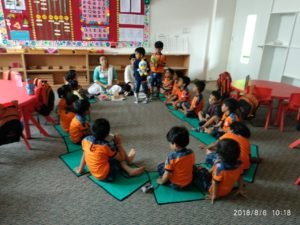
At Skalvi International School, experiential learning encourages students to participate directly in the learning process. Through discussions, collaborative activities, and practical exploration, students develop confidence, curiosity, and stronger subject understanding.
The Skalvi Philosophy: Knowing by Doing
Education becomes meaningful when students actively engage with ideas rather than simply memorizing information. At Skalvi International School, experiential learning is supported by the Knowing by Doing philosophy.
Students are encouraged to frame questions, explore possible answers, and evaluate outcomes through observation and discussion. This approach allows students to develop a scientific temper and understand concepts through participation and reflection.
Instead of passively receiving information, students actively engage with lessons and discover knowledge through exploration.
How Active Learning Supports Conceptual Understanding
Conceptual understanding develops when learners apply knowledge in real situations. Experiential learning encourages students to examine ideas, analyze evidence, and explore different solutions.
The Skalvi middle-years learning framework encourages students to formulate problems and evaluate outcomes independently. This process strengthens analytical thinking while improving both verbal and written communication skills.
By engaging with concepts through practical experiences, students build a deeper and more meaningful understanding of the subject.
Peer Learning and Knowledge Retention
Peer learning plays an important role in strengthening understanding. At Skalvi International School, the Teach to Learn approach encourages students to explain concepts to their classmates.
Explaining ideas requires deeper comprehension and reinforces knowledge through active engagement.
Key outcomes of peer learning include:
- Immediate reinforcement: Explaining concepts strengthens understanding.
- Self-directed learning: Students explore topics with curiosity and initiative.
- Collaboration skills: Peer discussions support communication and teamwork.
This collaborative learning environment encourages students to share ideas, refine explanations, and build confidence.
Learning by Doing in Practice: The Parent-in Programme
Practical demonstrations help students connect theoretical learning with real-life application. Through the Parent-in Programme, students present projects and learning outcomes to their families.
This experience helps students build presentation skills, confidence, and the ability to explain their learning clearly.
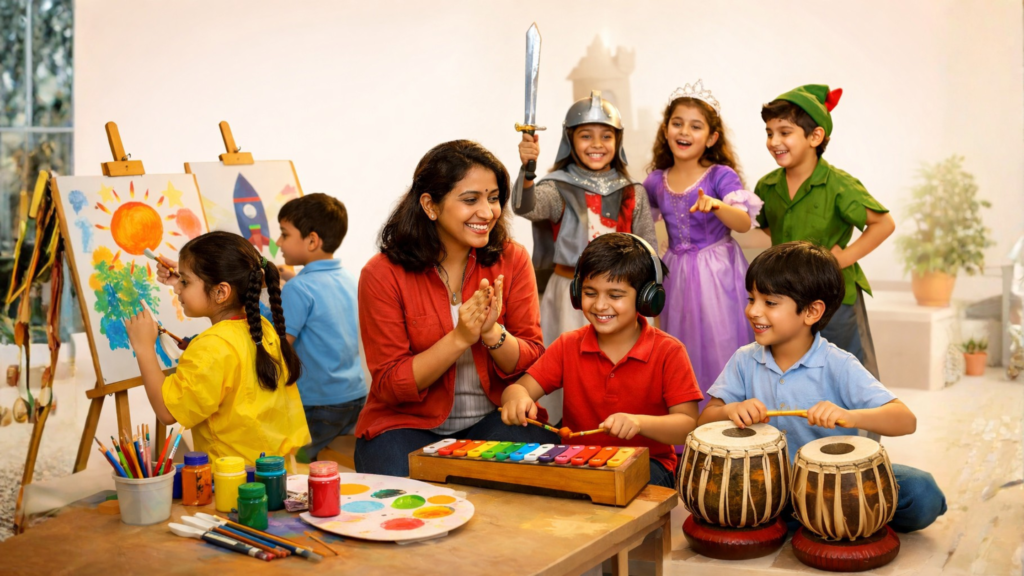
Beyond academic work, Happy Hobby Hours provide opportunities for activities such as visual arts, theatre, music, and sports. These activities support creativity, emotional development, and overall well-being.
Classroom Design That Encourages Participation
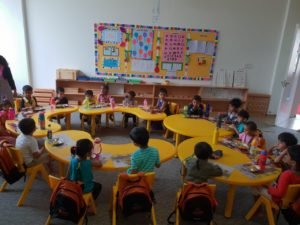
The physical learning environment also influences how students interact in class. At Skalvi International School, classrooms are arranged in U-shaped seating formats.
This design allows students to maintain visual contact with both peers and teachers, encouraging open discussion and active participation.
Combined with a 1:24 teacher-student ratio, this environment allows teachers to guide students effectively while ensuring that every learner remains engaged.
Frequently Asked Questions
How does experiential learning benefit students?
Experiential learning encourages students to engage directly with concepts through observation, experimentation, and discussion. This process improves conceptual clarity and supports long-term understanding.
How do active learning strategies support academic performance?
Active learning strategies encourage students to analyze information, test ideas, and discuss solutions collaboratively. These practices strengthen understanding and help students apply knowledge more effectively.
How does classroom layout influence learning?
Interactive classroom layouts allow students to maintain visual contact with peers and teachers. This encourages discussion, participation, and collaborative learning during lessons.