Experiential Pedagogy Shapes Modern Learning Approaches
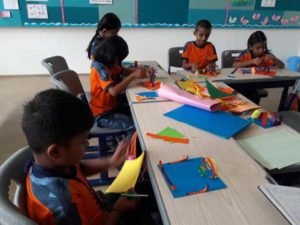
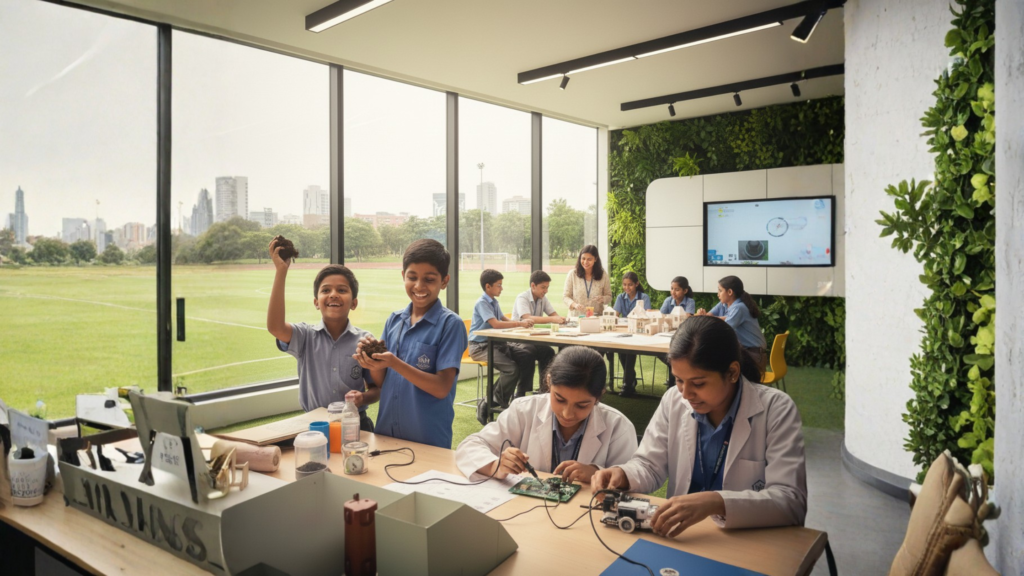
Experiential pedagogy encourages students to participate actively in the learning process. Instead of relying only on lectures, students investigate ideas, collaborate with peers, and apply knowledge in practical contexts. This approach strengthens conceptual understanding and increases engagement with academic subjects.
Active participation allows students to explore topics through observation, questioning, and discussion. At Skalvi International School, the Knowing by Doing philosophy encourages students to connect theoretical knowledge with practical experiences.
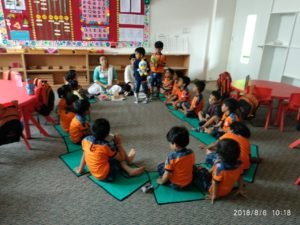
Peer learning practices such as the Teach to Learn approach allow students to explain ideas to classmates, which strengthens conceptual clarity. Interactive classroom environments and collaborative discussions help students develop communication skills, analytical thinking, and confidence.
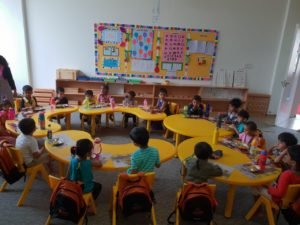
Classroom design also plays an important role in encouraging participation. U-shaped seating arrangements allow students to maintain visual contact with peers and teachers, creating an environment that supports dialogue and collaborative learning.
Modern learning environments focus on nurturing curiosity, critical thinking, and social awareness through active participation.
Key Differences in Learning Approaches
Learning environments influence how students engage with information and understand concepts.
In lecture-focused classrooms, students primarily listen and take notes. While this method introduces ideas, interactive learning environments encourage students to discuss concepts, explore questions, and apply knowledge through participation.
Experiential learning allows students to frame questions, examine different perspectives, and work together to find solutions. These collaborative practices help students develop confidence and independent thinking.
The Role of Peer Learning
Explaining ideas to others helps students organize their thoughts and strengthen their understanding. Peer learning plays an important role in experiential education.
Peer learning encourages:
- Concept reinforcement through explanation and discussion
- Active participation during group learning activities
- Communication development through dialogue and collaboration
These interactions help students build confidence in expressing ideas and engaging with different viewpoints.
Outcomes of Student Participation
Interactive learning environments support several important developmental outcomes.
- Stronger conceptual understanding through discussion and participation
- Development of analytical thinking and evidence-based reasoning
- Improved communication skills through collaborative learning
- Higher engagement levels in classroom activities
When students actively participate in learning, they develop a deeper understanding of subjects and stronger problem-solving abilities.
Learning Beyond Academics
Education also includes opportunities for creative and physical development. Activities outside academic lessons help students build balanced skills and explore different interests.
Programs such as Happy Hobby Hours allow students to participate in activities including sports, visual arts, theatre, music, and dance. These experiences encourage creativity, teamwork, and self-expression while supporting overall well-being.
Frequently Asked Questions
What is experiential pedagogy?
Experiential pedagogy encourages students to learn through participation, observation, and discussion. Instead of relying only on lectures, students engage actively with concepts and apply knowledge through practical experiences.
How does peer learning support understanding?
Peer learning allows students to explain ideas and ask questions during discussions. This process reinforces understanding, strengthens communication skills, and encourages collaborative learning.
Why do classroom layouts influence participation?
Classroom layouts that allow visibility and interaction help students engage more actively in discussions and collaborative activities. Interactive seating arrangements make it easier for students to communicate and share ideas.