Montessori-Based Learning at Skalvi International School Supports Child Development
When families explore options for a preschool in Bangalore, the conversation often centers on finding an environment that truly understands how children learn. Early childhood education is not only about academic preparation; it is a foundational stage where curiosity, social skills, and cognitive abilities begin to develop.
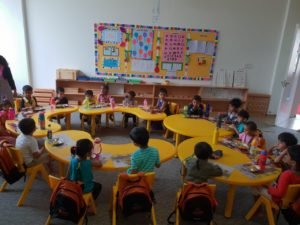
At Skalvi International School, early education follows a child-centered learning approach that supports natural development, exploration, and participation. Rather than relying on passive instruction, the school encourages young learners to interact with ideas through observation, activities, and collaborative experiences.
This Montessori-based learning model supports early childhood education in Bangalore by focusing on independence, curiosity, and structured exploration that aligns with how children naturally develop skills and understanding.
The Core Principles of Early Childhood Education
Montessori education emphasizes self-directed activity, hands-on learning, and collaborative interaction. At Skalvi International School, the learning environment is carefully designed to encourage curiosity and exploration.
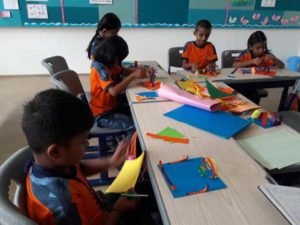
Children are given opportunities to engage with learning materials that stimulate observation and discovery. Instead of memorizing information, they develop understanding through participation and experience.
The classroom environment allows children to explore concepts at their own pace while receiving guidance from educators who support and observe their learning journey.
Child-Centered Exploratory Learning
A child-centered classroom recognizes that children are naturally curious learners. At Skalvi, educators act as guides who help students explore ideas rather than delivering one-directional instruction.
Through hands-on activities and interactive materials, children develop essential early learning skills such as:
- Fine motor coordination
- Sensory exploration
- Spatial awareness
- Early problem-solving abilities
By engaging with physical materials and real-world experiences, students build a stronger understanding of foundational concepts.
Knowing by Doing and Peer Learning
Research in early childhood education shows that active participation improves understanding and memory retention. Skalvi International School follows the principle of Knowing by Doing, where children interact directly with learning tools and activities.
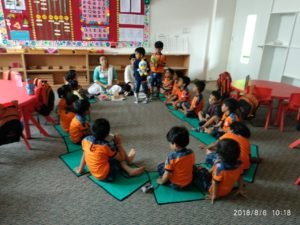
Peer learning also plays an important role. Children observe and interact with classmates while exploring new ideas together. These collaborative experiences encourage:
- Communication skills
- Patience and empathy
- Social interaction
- Cooperative learning
This environment helps build a positive classroom culture where students learn from both educators and peers.
How Skalvi Enhances Cognitive and Social Development
The early years represent an important stage for both cognitive and emotional development. Parents searching for a preschool in Bangalore often seek programs that support intellectual curiosity while also nurturing emotional well-being.
At Skalvi International School, the learning model integrates both aspects to ensure balanced development.
Encouraging Curiosity and Scientific Thinking
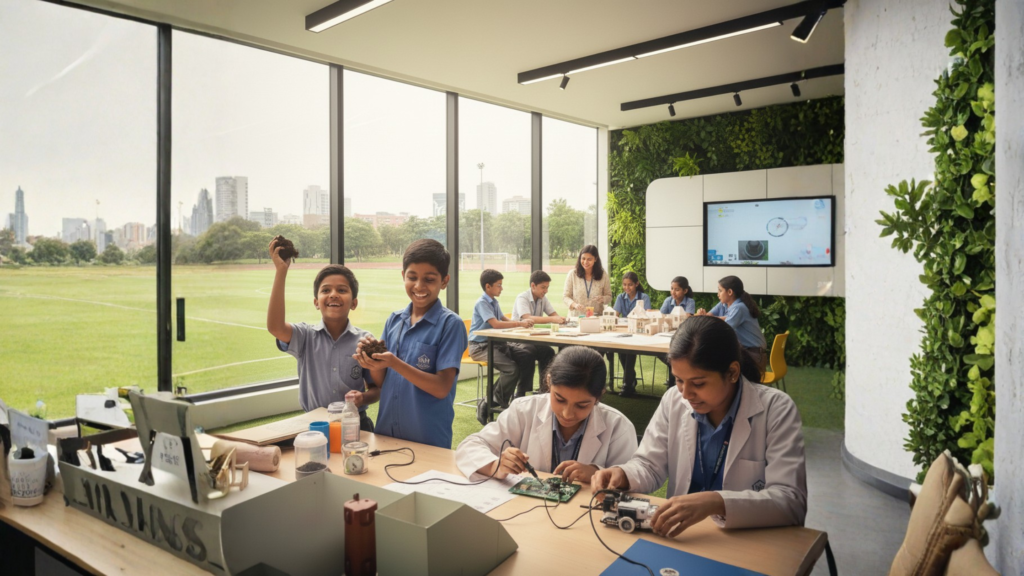
Children naturally ask questions about the world around them. Instead of immediately providing answers, educators encourage students to explore possibilities and discover outcomes through guided activities.
This approach helps children develop:
- Observation skills
- Early analytical thinking
- Curiosity-driven exploration
- Confidence in asking questions
By encouraging inquiry-based learning, the school introduces students to evidence-based thinking from an early stage.
Building Confidence Through Self-Motivation
Montessori-based learning encourages children to make choices within a structured environment. When students select activities independently, they begin to take responsibility for their learning.
This process builds confidence naturally. Children develop motivation driven by curiosity rather than external pressure, which supports long-term academic engagement.
Self-directed learning helps students gain a sense of independence and confidence in their abilities.
The Role of the Learning Environment
The classroom environment plays an important role in shaping how children learn and interact. A well-prepared learning space supports independence, exploration, and participation.
At Skalvi International School, classrooms are organized to allow easy access to learning materials and encourage student interaction. Every element of the classroom supports child participation and engagement.
Healthy nutrition also contributes to effective learning. Providing balanced meals helps children maintain energy levels throughout the day, supporting focus and participation during activities.
Frequently Asked Questions
What makes Skalvi International School’s early learning approach unique?
Skalvi follows a child-centered learning model that emphasizes participation, exploration, and peer interaction. The approach encourages students to learn through experience rather than passive listening.
How does Montessori learning support child development?
Montessori-based education encourages independence, sensory exploration, and hands-on learning. These experiences help children develop cognitive, social, and emotional skills simultaneously.
Does Skalvi offer extracurricular activities for young learners?
Yes. The school provides activity sessions such as arts, movement, and creative exploration that support emotional expression and creativity in early learners.