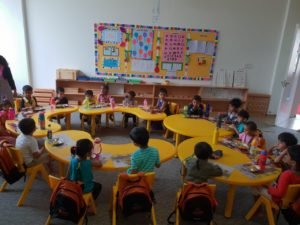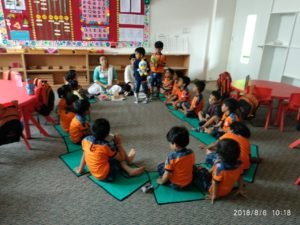
Introduction
Students often understand concepts better when they discuss ideas with others. When learning happens only through listening, it can sometimes be difficult for students to fully absorb and remember information.
However, when students explain ideas to classmates and learn from each other, understanding becomes deeper and more meaningful. This collaborative approach helps students connect ideas and remember them for a longer time.
Peer learning plays an important role in this process. At Skalvi International School, peer learning encourages students to share knowledge, explain concepts, and support each other’s learning journey.
What Is Peer Learning?
Peer learning is a learning method where students learn from one another by sharing ideas, discussing concepts, and explaining topics to their classmates.
Instead of learning only from the teacher, students participate in discussions and collaborative activities that strengthen understanding.
At Skalvi International School, students are encouraged to explain what they learn to their peers. This approach helps reinforce concepts and supports long-term understanding.
How Peer Learning Works in Classrooms
Peer learning often involves interactive and collaborative activities.
Common examples include:
- Students explaining concepts to classmates
- Group discussions about topics being studied
- Collaborative problem-solving activities
- Students presenting their ideas and findings
These experiences allow students to learn from different perspectives.
Why Peer Learning Matters
Peer learning helps students become active participants in the learning process.
Strengthens Understanding
Explaining concepts to others helps students organize their thoughts and understand ideas more clearly.
Improves Communication Skills
Students learn how to express ideas clearly while listening to different viewpoints.
Encourages Collaboration
Working with peers teaches students how to cooperate and support each other.
Supports Long-Term Learning
Sharing knowledge with classmates often helps students remember concepts more effectively.
Learning environments like those at Skalvi International School encourage peer learning to make classrooms more interactive and engaging.
Key Benefits of Peer Learning
Peer learning offers several important advantages for students.
- Encourages active participation in learning
- Helps students understand concepts more clearly
- Strengthens communication skills
- Promotes teamwork and collaboration
- Builds confidence in sharing ideas
- Supports long-term knowledge retention
These benefits help students develop stronger learning habits.
Peer Learning vs Individual Learning
| Learning Feature | Peer Learning | Individual Learning |
| Learning Style | Collaborative and discussion-based | Independent study |
| Student Interaction | High interaction with classmates | Limited interaction |
| Understanding | Students explain ideas to each other | Students process information individually |
| Communication Skills | Improves speaking and listening skills | Less opportunity for discussion |
| Knowledge Retention | Concepts reinforced through sharing | Understanding depends on individual study |
Practical Tips to Encourage Peer Learning
Parents and educators can support peer learning in simple ways.
- Encourage children to discuss lessons with classmates
- Support group activities and collaborative tasks
- Allow students to explain what they have learned
- Encourage respectful listening and idea sharing
- Provide opportunities for teamwork in learning activities
These practices help students learn from each other and strengthen understanding.
Where Peer Learning Is Used
Classroom Discussions
Students share ideas and perspectives while learning from each other.
Group Learning Activities
Students collaborate to explore and understand concepts together.
Student Presentations
Students explain what they have learned, helping reinforce knowledge.
Integrated Learning Projects
Students work together to complete projects and present outcomes.
At Skalvi International School, peer learning helps students engage actively and develop deeper understanding through collaboration.
Frequently Asked Questions
What is peer learning in education?
Peer learning is a learning method where students learn from each other through discussion, collaboration, and sharing ideas.
Why does peer learning improve knowledge retention?
Explaining concepts to others helps students organize their thoughts and strengthen their understanding, which supports long-term memory.
How can schools encourage peer learning?
Schools can encourage peer learning through group discussions, collaborative projects, student presentations, and classroom activities that promote idea sharing.