INTRODUCTION
Young children learn best when they are actively engaged and curious about the world around them. Traditional instruction methods alone may not always capture a child’s attention during the early years.
Play-based learning creates an environment where children explore, ask questions, and develop important life skills through activities. It combines learning with interaction, imagination, and discovery.
Schools like Skalvi encourage play-based learning because it supports both academic growth and social development. Through guided activities and structured play, children naturally build foundational skills that support future learning.
What is Play-Based Learning?
Play-based learning is an educational approach where children learn through activities such as games, storytelling, creative tasks, and problem-solving exercises.
Instead of focusing only on direct instruction, play-based learning allows children to explore concepts in a natural and engaging way.
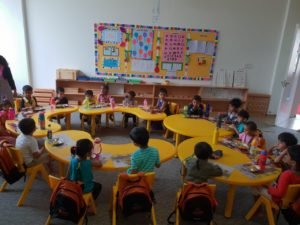
At Skalvi, play-based learning is integrated into classroom activities to help children develop curiosity, communication skills, and confidence during their early years.
Why Play-Based Learning Matters in Early Education
During early childhood, the brain develops rapidly. Learning experiences during this stage influence how children think, communicate, and interact with others.
Play-based learning helps children:
- Understand concepts through hands-on activities
- Improve social interaction with peers
- Develop language and communication skills
- Build problem-solving abilities
- Strengthen creativity and imagination
Skalvi incorporates structured play activities to help children develop these skills in a supportive learning environment.
Key Benefits of Play-Based Learning
Improves Cognitive Development
Children learn concepts such as numbers, shapes, and patterns through activities.
Builds Social Skills
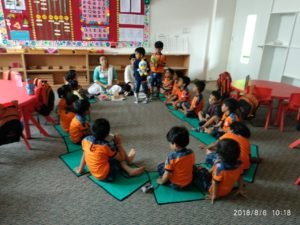
Group play encourages teamwork, sharing, and communication.
Encourages Curiosity
Children ask questions and explore ideas through interactive experiences.
Supports Emotional Growth
Play allows children to express feelings and develop confidence.
At Skalvi, guided play activities help children build important developmental skills while staying engaged in the learning process.
Benefits at a Glance
- Encourages active participation in learning
- Helps children understand concepts through experience
- Builds communication and teamwork skills
- Develops creativity and imagination
- Supports overall child development
Play-Based Learning vs Traditional Instruction
| Feature | Play-Based Learning | Traditional Instruction |
| Learning Method | Activity-based exploration | Teacher-led instruction |
| Student Engagement | High participation | Often passive listening |
| Skill Development | Cognitive, social, and emotional | Mostly academic focus |
| Creativity | Encouraged through play | Limited opportunities |
| Learning Environment | Interactive and collaborative | Structured and formal |
Practical Tips to Support Play-Based Learning
Encourage Curiosity
Allow children to ask questions and explore ideas through activities.
Use Educational Games
Games that involve numbers, shapes, and words support early learning.
Promote Group Activities
Collaborative play improves communication and teamwork.
Provide Creative Materials
Art supplies, puzzles, and building blocks encourage imagination.
Schools like Skalvi integrate these practices into daily learning activities to support child development.
Real-World Use Cases
Play-based learning can be applied in different classroom and home settings:
- Storytelling sessions that build language skills
- Puzzle games that encourage problem-solving
- Role-play activities that improve communication
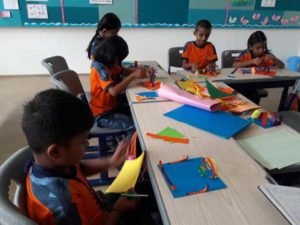
- Creative art projects that develop imagination
At Skalvi, these activities are designed to help children develop essential skills while enjoying the learning process.
FAQs
What is play-based learning in early childhood education?
Play-based learning is a teaching approach where children learn through structured activities, games, and exploration.
Why is play important for child development?
Play supports cognitive growth, communication skills, creativity, and emotional development during early childhood.
How do schools implement play-based learning?
Schools like Skalvi integrate play into classroom activities such as storytelling, group games, creative projects, and interactive learning tasks.