Introduction
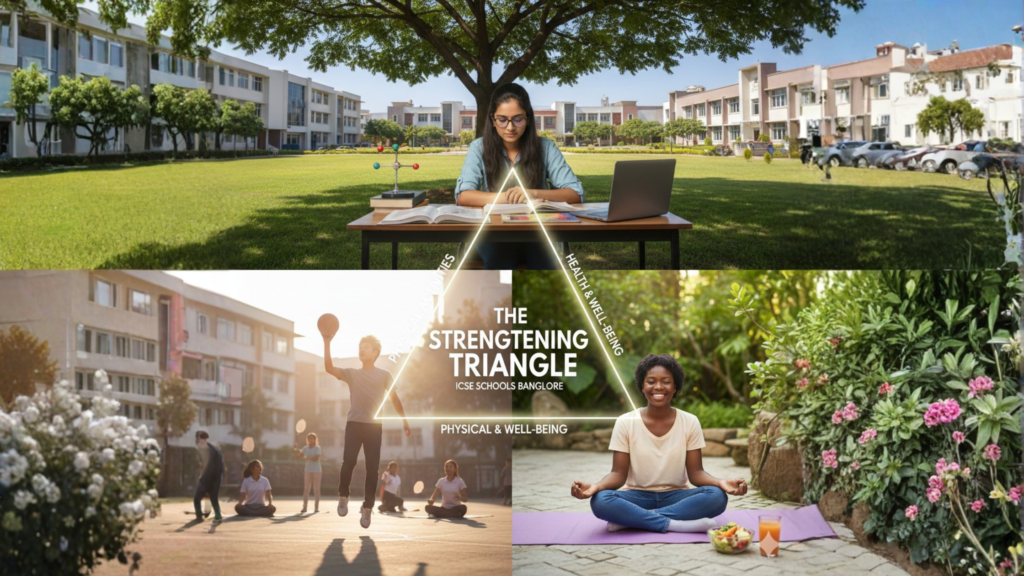
Sports and physical activities are an important part of school education. Along with classroom learning, students benefit from activities that involve movement, teamwork, and structured physical exercise. Schools that include sports programs help students develop habits that support both learning and overall growth.
At Skalvi International School, sports are integrated into the daily routine so that students have opportunities to participate in physical activities alongside academic learning. Activities such as games, athletics, and team sports allow students to engage with their peers while developing coordination and discipline.
Understanding the role of sports in education helps parents recognize how physical activities support student development during school years.
What Role Do Sports Play in School Education?
Sports in schools refer to organized physical activities that students participate in as part of their school program. These activities may include team sports, athletics, and recreational games.
At Skalvi International School, sports activities are structured so that students can participate regularly while balancing their academic schedule. Physical activities encourage students to remain active and engaged during the school day.
Examples of school sports include:
- Athletics events
- Team games such as football or basketball
- Physical fitness exercises
- Outdoor games and recreational activities
These activities allow students to develop coordination and teamwork while staying physically active.
Benefits of Sports for Students
1. Encourages Physical Fitness
Sports help students maintain regular physical activity. Movement through games and exercise supports overall health and helps students stay active during their school years.
At Skalvi International School, sports sessions are included in the schedule so students can participate in structured physical activities.
Physical activity helps students:
- Improve strength and coordination
- Maintain healthy routines
- Stay active during the school day
2. Teaches Teamwork
Many sports involve teamwork where students work together to achieve a common goal. Participating in team games helps students learn how to cooperate with classmates.
At Skalvi International School, team sports encourage students to:
- Support teammates
- Communicate during games
- Work together to complete tasks
These experiences help students understand the importance of cooperation.
3. Helps Students Develop Discipline
Sports activities require students to follow rules, practice regularly, and respect instructions from coaches or teachers.
Through sports programs at Skalvi International School, students learn:
- Time management
- Responsibility during activities
- Respect for rules and fair play
These habits support both sports participation and classroom learning.
4. Supports Social Interaction
Sports bring students together in a shared activity where they interact with classmates outside the classroom environment.
Participation in sports at Skalvi International School helps students:
- Build friendships with peers
- Communicate during games
- Participate in group activities
These interactions help students develop social skills.
5. Provides Opportunities for Skill Development
Sports allow students to practice physical skills such as coordination, balance, and agility. Different games require different movements, helping students explore various abilities.
Through sports programs at Skalvi International School, students can participate in a range of activities that support skill development through structured physical exercise.
Examples of Sports Activities in Schools
Schools often organize different types of sports programs so students can participate in various physical activities.
Examples include:
- School sports days
- Inter-house competitions
- Athletic training sessions
- Team sports tournaments
At Skalvi International School, these activities help students remain active while also encouraging participation and teamwork.
How Schools Support Sports Participation
Schools support sports participation by providing guidance, structured schedules, and appropriate facilities for physical activities.
Teachers and sports instructors help students by:
- Organizing practice sessions
- Teaching rules of different sports
- Encouraging student participation
- Ensuring activities remain safe and organized
At Skalvi International School, sports activities are planned so that students can participate alongside their academic studies.
Conclusion
Sports are an important part of school education because they help students remain active, develop teamwork skills, and participate in structured physical activities. Along with classroom learning, sports provide opportunities for students to interact with peers and practice discipline.
Through organized sports programs, Skalvi International School encourages students to participate in physical activities that support both learning and overall development during their school years.
FAQ
Why are sports important for students in school?
Sports help students stay physically active, develop teamwork skills, and participate in structured activities during their school education.
How do schools encourage students to participate in sports?
Schools organize sports sessions, competitions, and physical activities as part of the school schedule.
What skills do students learn through sports?
Students learn teamwork, discipline, coordination, and communication through sports participation.
Do sports support student development?
Yes, sports activities help students stay active while also developing social and physical skills.