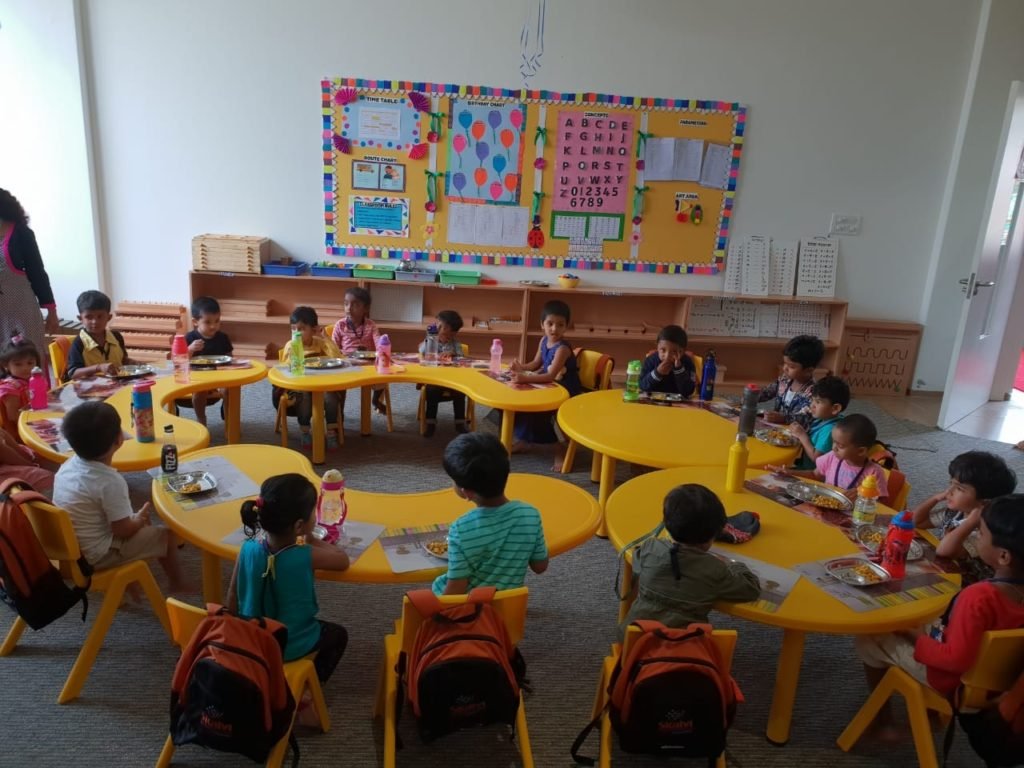
For families planning 2027–28 school admission, location is an important part of the decision-making process. Parents searching for schools in JP Nagar often consider the neighbourhood because a practical school location can make the child’s daily routine easier to manage. However, location should be evaluated alongside academics, student development, safety, infrastructure and the overall educational environment.
For families seeking quality education in South Bengaluru, institutions such as Skalvi International School in Kothnur, JP Nagar 8th Phase, can serve as a strong benchmark during this evaluation. The goal is to understand whether the school’s location and educational environment fit the family’s long-term requirements.
Why Does School Location Matter?
Children travel to school on most academic days, making location a practical consideration for families. A manageable journey can provide more time for sleep, homework, recreation and extracurricular activities.
Parents can consider:
→ Distance from home
→ Travel time during school hours
→ Traffic conditions
→ Transportation options
→ Pickup and drop arrangements
→ Effect on the child’s daily routine
Location alone does not determine educational quality, but it can influence the overall experience for both children and parents.
Why Do Families Consider JP Nagar?
JP Nagar is a well-established residential area in Bengaluru, and families living in and around South Bengaluru may naturally explore schooling options within or around the locality.
Parents may consider schools in the area because of practical factors such as:
→ Accessibility from nearby residential areas
→ Daily commute convenience
→ Familiarity with the neighbourhood
→ Connectivity to other parts of South Bengaluru
→ Availability of educational options
For families already living nearby, choosing a school within a practical travel range can make everyday routines easier.
What Should Parents Evaluate Beyond Location?
Finding a school close to home is useful, but proximity should not be the only deciding factor. Parents should also evaluate the quality and relevance of the educational environment.
Important areas include:
→ Curriculum and accreditation
→ Academic approach
→ Holistic development
→ Technology-enabled learning
→ Safety and security
→ School values
→ Parent-school communication
→ Infrastructure and learning resources
→ Student opportunities
A school should be considered as a complete educational environment rather than simply a nearby institution.
How Important Is Academic Quality?
Academic quality remains central to school selection. Parents should understand how teachers help students build conceptual understanding and confidence.
Useful questions include:
→ How are concepts explained?
→ How is student progress monitored?
→ What support is available when students need additional guidance?
→ Are students encouraged to ask questions?
→ Is independent learning encouraged?
Families can explore Skalvi International School’s Academic Programmes to understand its approach to academic learning.
Should Parents Consider Holistic Development?
Yes. Children benefit from opportunities that extend beyond regular classroom subjects.
Parents can ask about:
→ Sports
→ Creative activities
→ Projects
→ Presentations
→ Teamwork
→ Leadership opportunities
These experiences can help students develop communication, confidence, creativity and collaboration.
What About Technology-Enabled Learning?
Technology can support classroom learning when used purposefully. Parents should understand how digital resources contribute to the learning process.
They can ask:
→ Does technology make lessons more interactive?
→ Does it support concept understanding?
→ Are students guided in responsible digital usage?
→ Is technology balanced with teacher interaction?
The goal should be meaningful learning rather than technology being presented simply as a facility.
Why Should Safety Be Part of the Decision?
A convenient location is valuable only when the overall school environment is safe and well organised.
Parents should understand the school’s approach to:
→ Campus access
→ Visitor management
→ Student supervision
→ Emergency procedures
→ Activity safety
→ Transportation safety
During a campus visit, families can observe how these practices work within the school environment.
How Does School Culture Influence the Choice?
Parents should consider whether the school environment encourages values such as respect, responsibility, empathy, integrity and cooperation.
A campus visit can help families observe:
→ Teacher-student interaction
→ Student behaviour
→ Classroom engagement
→ Approach to discipline
→ Collaboration
These observations can provide insight into the everyday school experience.
Parents can also review Skalvi’s educational approach when evaluating broader aspects of student development.
Why Is Parent-School Communication Important?
A strong connection between parents, students and teachers can support a more connected learning journey.
Parents should understand how the school communicates about:
→ Academic progress
→ Activities
→ Announcements
→ Student support
→ Events
Clear communication can help families stay informed and involved in their child’s education.
What Should Parents Check About Infrastructure?
Parents should assess whether the available infrastructure genuinely supports student learning.
During a visit, consider:
→ Classrooms
→ Library
→ Laboratories
→ Activity spaces
→ Sports facilities
→ Technology resources
The focus should be on how students use these spaces rather than simply how impressive they appear.
How Can Parents Assess the Daily Commute?
Before finalising a school, parents should experience or estimate the journey during regular school hours.
Consider:
→ Morning traffic
→ Travel duration
→ Transportation availability
→ Pickup and drop timings
→ Impact on sleep and after-school activities
For families considering JP Nagar 8th Phase, current campus information can be checked through the Skalvi Contact Page.
Should Parents Visit the School?
Yes. Online research can help create an initial shortlist, but a campus visit provides a more practical understanding of the environment.
Parents can observe:
→ Classroom interaction
→ Student participation
→ Campus organisation
→ Learning facilities
→ Safety arrangements
→ General atmosphere
Children can also share their impressions after the visit, which may help families understand their comfort with the environment.
How Can Families Make the Final Decision?
Parents can create a simple evaluation checklist:
→ Location and commute
→ Curriculum
→ Academic approach
→ Holistic development
→ Technology
→ Safety
→ Values
→ Parent-school connection
→ Infrastructure
→ Student opportunities
This allows families to balance convenience with educational priorities.
Conclusion
Families considering schools in JP Nagar should look at location as one part of a much broader school-selection process. A practical commute can support the child’s daily routine, but academics, holistic development, technology, safety, values, communication and learning resources should also be evaluated.
For families seeking quality education in South Bengaluru, institutions such as Skalvi International School in Kothnur, JP Nagar 8th Phase, can serve as a strong benchmark during this evaluation. For 2027–28 admission, parents can combine location research with campus visits and a structured evaluation of their child’s educational needs.
Frequently Asked Questions
1. Why do families consider schools in JP Nagar?
Families may consider JP Nagar schools because of accessibility, commute convenience and proximity to residential areas.
2. Is school location the most important factor?
No. Location should be considered alongside academics, safety, development and school culture.
3. How does commute affect a child’s routine?
A manageable commute can provide more time for sleep, homework, recreation and activities.
4. Should parents check traffic before choosing a school?
Yes. Travel time during actual school hours can differ considerably from normal travel estimates.
5. What academic factors should parents evaluate?
Teaching methods, conceptual learning, progress monitoring and academic support are useful factors.
6. Why is holistic development important?
It gives children opportunities to develop creative, physical, social and communication skills.
7. What should parents ask about school safety?
They should ask about campus access, visitor management, supervision, emergency procedures and transport safety.
8. Should parents consider school values?
Yes. Values such as responsibility, respect, empathy and integrity contribute to the child’s broader development.
9. Why should families visit the campus?
A visit allows parents to observe classrooms, facilities, student interaction and the overall environment.
10. How should parents make the final school decision?
Families should balance location with curriculum, academics, development, safety, values, resources and their child’s individual needs.