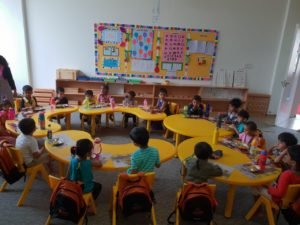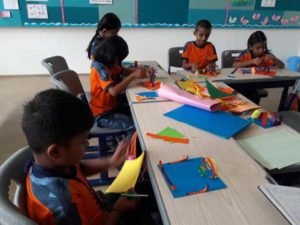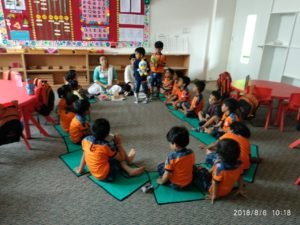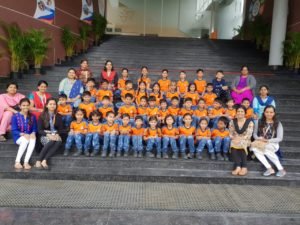
Practical education is essential for students to understand how classroom learning applies in real life. Parents searching for skill-based learning, practical education, future-ready education, best school in Bangalore, and CBSE school in Bangalore want children to gain both academic knowledge and practical skills. Skalvi International School integrates practical learning with the CBSE curriculum to develop problem-solving abilities, confidence, and real-life experience.
Why Practical Education Is Important
Practical education allows students to apply knowledge, solve problems, and build confidence. It complements theoretical lessons by giving students hands-on experience. Parents searching for future-ready education want schools that connect academics with real-world skills. Skalvi International School emphasizes skill-based learning and practical exercises across subjects.
Key Benefits of Integrating Practical Learning
| Benefit | How It Helps Students |
| Application of Knowledge | Students understand concepts deeply by applying them |
| Skill Development | Enhances problem-solving, critical thinking, and creativity |
| Confidence | Hands-on experience builds self-assurance |
| Real-Life Learning | Connects classroom lessons with practical scenarios |
| Career Readiness | Prepares students for higher education and future careers |
How CBSE Curriculum Supports Practical Education
The CBSE framework provides a structured academic foundation. When combined with practical learning, students gain deeper understanding and real-world skills. Parents searching for CBSE school in Bangalore or best school in Bangalore prioritize schools that integrate practical education alongside academics. Skalvi International School ensures every subject includes interactive, hands-on, and collaborative exercises.
Implementation of Practical Learning in Schools
1. Hands-On Projects
Students participate in experiments, group projects, and problem-solving tasks that apply theoretical knowledge.
2. Real-Life Scenarios
Scenario-based exercises and case studies give students practical understanding and decision-making experience.
3. Skill-Based Learning
Critical thinking, communication, and teamwork are developed through guided projects and collaborative tasks.
4. Integration with Academics
Practical learning is embedded in daily lessons, reinforcing concepts and improving retention.
5. Career-Focused Activities
Students engage in leadership, collaborative, and decision-making activities to prepare for future academic and professional challenges.
Parent Checklist for Practical Education
| Feature | Why It Matters |
| Hands-On Projects | Reinforces classroom learning in real-world contexts |
| Teacher Guidance | Provides support and ensures understanding |
| Real-Life Applications | Encourages practical thinking and problem-solving |
| Collaboration | Develops teamwork and communication skills |
| Career Readiness | Prepares students for higher education and professional life |
How Practical Education Supports Holistic Development
Practical education complements academics, skill-building, and life skills. Students gain confidence, improve communication, and develop problem-solving abilities while reinforcing classroom lessons. Skalvi International School ensures practical learning, skill-based exercises, and real-life scenarios are part of the curriculum to support overall growth.
Conclusion
Integrating practical education with the CBSE curriculum enhances understanding, skill development, confidence, and future readiness. Parents searching for skill-based learning, practical education, or future-ready education should prioritize schools that provide hands-on learning opportunities. Skalvi International School combines CBSE academics with practical education, skill-based learning, and real-life experiences, preparing students for academic success and long-term growth.
FAQ
What is practical education in school?
Practical education lets students apply classroom knowledge through projects, experiments, and real-world scenarios.
Why is skill-based learning important?
It develops problem-solving, critical thinking, teamwork, communication, and confidence.
How does real-life learning experience help students?
It connects lessons to real-world applications, enhancing understanding and decision-making.
Does CBSE curriculum support practical education?
Yes, when integrated with hands-on projects and experiential learning, CBSE lessons become interactive and meaningful.
Does Skalvi International School focus on practical learning?
Yes. Skalvi International School integrates practical education, skill-based learning, and real-life experiences within the CBSE curriculum.