Introduction
Education includes many different forms of learning that help students understand the world around them. While academic subjects such as mathematics, science, and language are important, creative activities also play a meaningful role in a child’s learning experience.
Art and music activities allow students to express ideas, explore creativity, and participate in hands-on learning experiences. These activities provide opportunities for children to develop observation skills, communication abilities, and confidence.
At Skalvi International School, creative subjects such as art and music are included in the school curriculum to support different forms of learning. By participating in artistic activities, students engage with learning in ways that encourage imagination and thoughtful expression.
Understanding how art and music contribute to child development helps parents recognize the importance of creative education in schools like Skalvi International School.
What Are Art and Music Activities in Schools?
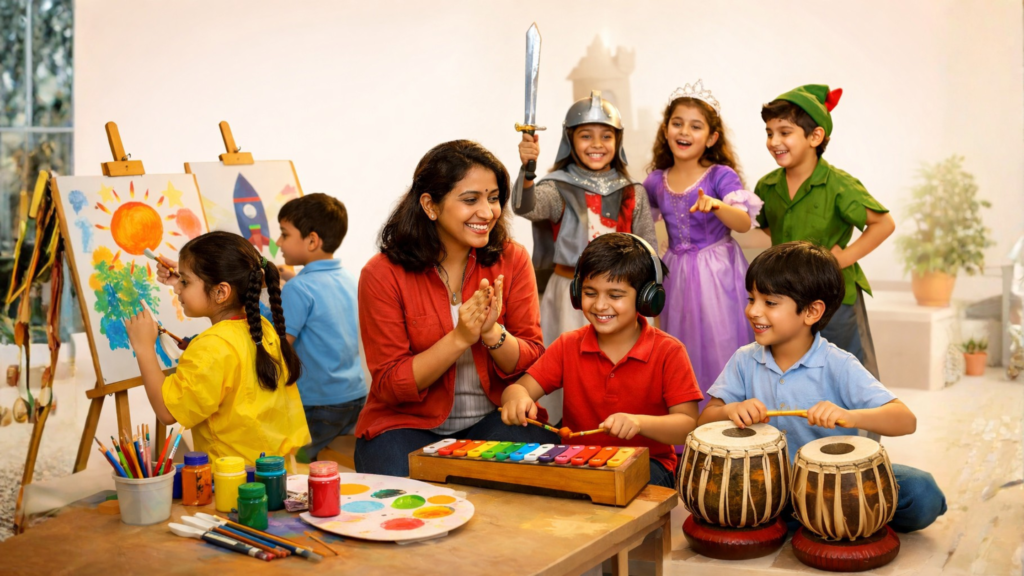
Art and music activities involve creative expression through visual art, drawing, painting, instruments, singing, and performance-based learning.
These activities give students opportunities to experiment with colors, sounds, rhythm, and creative ideas.
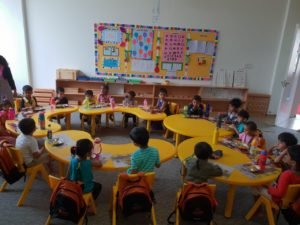
At Skalvi International School, art and music sessions are part of the learning experience so that students can explore creative skills alongside academic studies.
Examples of creative school activities include:
- Drawing and painting
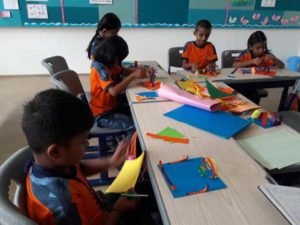
- Craft and design activities
- Singing and music practice
- Learning basic musical instruments
- Participating in cultural performances
These activities allow students to explore creativity through structured guidance.
Benefits of Art and Music for Child Development
1. Encourages Creative Thinking
Creative subjects allow students to explore ideas and express thoughts through visual or musical forms.
At Skalvi International School, art and music sessions provide opportunities for students to experiment with colors, shapes, sounds, and rhythms.
Creative thinking helps students:
- Express ideas in different ways
- Explore imagination
- Approach tasks with curiosity
2. Improves Concentration and Observation
Art and music activities require attention to detail and careful observation. Students may focus on patterns, shapes, tones, or rhythm while completing creative tasks.
At Skalvi International School, students practice observation during activities such as drawing, crafting, and music exercises.
These activities help students develop:
- Focus during tasks
- Attention to detail
- Structured thinking during creative work
3. Supports Emotional Expression
Creative activities allow students to express emotions through artwork or music. This form of expression helps children communicate thoughts that may be difficult to describe with words.
Through creative sessions at Skalvi International School, students can express ideas, moods, and experiences through visual or musical activities.
This supports healthy emotional development.
4. Encourages Confidence
When students complete creative projects or perform music in front of classmates, they gain opportunities to build confidence.
At Skalvi International School, art displays and music performances allow students to share their work with others.
These experiences help students:
- Present ideas publicly
- participate in school activities
- feel encouraged about their creative abilities
5. Develops Fine Motor Skills
Art activities such as drawing, painting, cutting, and crafting help students practice precise hand movements.
These tasks support the development of fine motor skills that are important for writing and other classroom activities.
At Skalvi International School, structured art activities help students practice coordination while working with different materials.
Examples of Creative Activities in Schools
Schools often organize different creative programs to encourage artistic participation.
Examples include:
- Art exhibitions
- Music classes
- Cultural performances
- Craft workshops
- School celebrations involving music and art
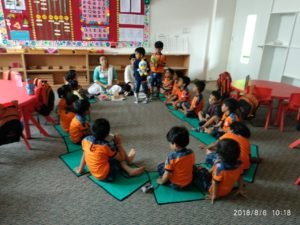
At Skalvi International School, these activities allow students to participate in creative experiences while interacting with classmates and teachers.
How Schools Encourage Creative Learning
Schools support creative development by providing structured opportunities for artistic participation.
Teachers guide students by:
- Introducing art techniques and materials
- Teaching rhythm and musical patterns
- encouraging creative expression
- organizing exhibitions and performances
At Skalvi International School, these creative activities help students explore different forms of expression within a supportive learning environment.
Conclusion
Art and music play an important role in supporting child development by encouraging creativity, observation, and expression. Through creative activities, students can explore ideas in ways that complement classroom learning.
Schools that include art and music programs allow students to participate in activities that develop imagination, coordination, and confidence. At Skalvi International School, creative subjects are part of the learning experience so that students can explore artistic expression while continuing their academic journey.
FAQ
Why are art and music important in schools?
Art and music allow students to express ideas creatively and participate in activities that support imagination and observation.
How do art activities help child development?
Art activities help students practice creativity, concentration, and fine motor skills through drawing, painting, and craft work.
How does music benefit students?
Music helps students understand rhythm, sound patterns, and performance while encouraging participation in creative activities.
Do schools include art and music in the curriculum?
Yes, many schools include creative subjects as part of their programs to support different forms of learning