Introduction
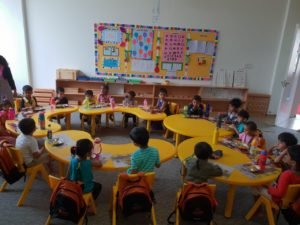
Learning becomes more engaging when students work together to explore ideas and solve problems. Collaborative learning is an approach where students participate in group discussions, shared activities, and collective exploration of concepts. By working with classmates, students gain different perspectives and deepen their understanding of the subjects they study.
This approach encourages communication, cooperation, and active participation in the classroom.
What Is Collaborative Learning?
Collaborative learning refers to an educational approach where students work together to explore concepts, share ideas, and develop understanding through discussion and teamwork. Instead of learning individually all the time, students engage in group activities that allow them to exchange perspectives and learn from one another.
At Skalvi International School, collaborative learning supports classroom interaction where students discuss ideas, participate in activities, and explore subjects through shared learning experiences.
Key Features of Collaborative Learning
Group Discussions
Students participate in discussions where they share viewpoints and explore different aspects of a topic.
Shared Problem Exploration
Working together allows students to examine questions and consider possible explanations or solutions.
Knowledge Exchange
Students can learn from their peers by hearing different ideas and perspectives.
Active Participation
Collaborative activities encourage every student to contribute to the learning process.
Benefits of Collaborative Learning
Deeper Understanding of Concepts
When students discuss ideas with peers, they often gain new insights that help them understand the subject more clearly.
Development of Communication Skills
Explaining ideas and listening to classmates helps students express themselves more effectively.
Encouragement of Teamwork
Working together helps students understand the importance of cooperation and mutual support.
Increased Engagement in Learning
Collaborative tasks make learning interactive and encourage students to stay involved in classroom activities.
Examples of Collaborative Learning in Classrooms
Collaborative learning can take place through different classroom practices such as:
- Group discussions where students exchange ideas
- Team activities that explore specific topics
- Classroom projects that involve shared participation
- Presentations where groups explain their understanding
At Skalvi International School, collaborative learning experiences help students explore concepts together and participate actively in the learning process.
Role of Teachers in Collaborative Learning
Teachers guide collaborative learning by organizing group activities and encouraging respectful discussion among students. They help students reflect on ideas, support teamwork, and ensure that each learner has the opportunity to participate.
Through this guidance, teachers help create a classroom environment where students can learn through interaction and shared exploration.
Conclusion
Collaborative learning allows students to explore ideas through teamwork and discussion. By sharing perspectives and participating in group activities, students develop clearer understanding of concepts and stronger communication skills.
When classrooms encourage collaboration, students learn not only from teachers but also from their peers, creating a more interactive and engaging learning environment.
FAQ
What is collaborative learning in schools?
Collaborative learning is an approach where students work together through discussions and activities to explore concepts and share ideas.
Why is collaborative learning important?
It helps students understand topics from multiple perspectives while developing communication and teamwork skills.
How do teachers support collaborative learning?
Teachers organize group discussions and shared activities that allow students to learn from one another.
What skills do students develop through collaborative learning?
Students develop communication skills, teamwork, and deeper understanding of concepts.