Introduction
Learning often becomes more meaningful when students share knowledge and ideas with one another. Peer learning is an approach where students learn through interaction, discussion, and collaboration with their classmates. By explaining ideas and participating in group learning experiences, students can develop a clearer understanding of concepts.
Peer learning encourages active participation in the classroom and helps students connect with lessons in a deeper way.
What Is Peer Learning?
Peer learning refers to a learning method where students learn from and with their classmates through discussions, explanations, and collaborative activities. Instead of relying only on teacher explanations, students also gain insights by sharing knowledge with peers.
At Skalvi International School, peer learning is connected to the idea of “teach to learn.” When students explain what they have learned to others, they often understand the concept more clearly themselves.
This approach encourages students to become active contributors in the learning process.
Key Features of Peer Learning
Collaborative Learning Environment
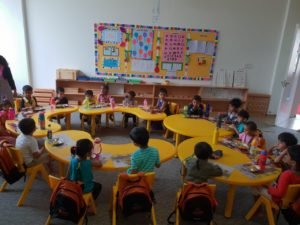
Students work together to explore topics, discuss ideas, and solve problems. This interaction helps create a supportive learning environment where students can exchange different perspectives.
Sharing Knowledge with Peers
Explaining ideas to classmates allows students to reinforce their own understanding. When students teach others, they often remember concepts more effectively.
Learning Through Discussion
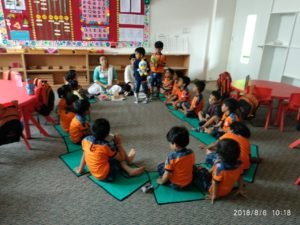
Group discussions help students explore multiple viewpoints and develop clearer understanding of subjects.
Active Participation
Peer learning encourages students to participate actively rather than simply listening to lessons.
How Peer Learning Improves Memory and Understanding
Reinforcement of Knowledge
When students explain concepts to classmates, they revisit the material and strengthen their understanding.
Deeper Concept Clarity
Discussion and explanation allow students to analyze ideas more thoroughly, helping them grasp complex topics.
Improved Communication Skills
Sharing ideas and explaining concepts helps students develop the ability to communicate clearly and confidently.
Increased Engagement in Learning
Collaborative learning activities encourage students to stay involved and attentive during lessons.
Examples of Peer Learning in Classrooms
Peer learning can take many forms in the classroom, including:
- Group discussions where students exchange ideas
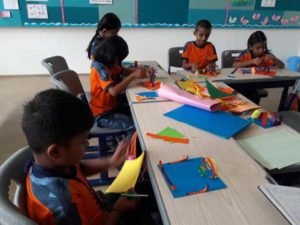
- Collaborative projects where students work together on tasks
- Classroom presentations where students explain concepts
- Study groups that encourage discussion and reflection
At Skalvi International School, students are encouraged to participate in discussions and collaborative activities that allow them to share knowledge and learn from one another.
Role of Teachers in Peer Learning
Teachers guide peer learning by creating opportunities for students to work together. They encourage respectful discussions, organize collaborative activities, and support students as they explain ideas to one another.
This guidance helps ensure that peer learning remains meaningful and focused on understanding concepts.
Conclusion
Peer learning plays an important role in helping students remember lessons and understand concepts more clearly. When students explain ideas, discuss topics, and collaborate with classmates, they reinforce their learning and develop stronger communication skills.
By encouraging collaboration and knowledge sharing, classrooms can become environments where students learn from both teachers and peers.
FAQs
What is peer learning in schools?
Peer learning is a learning approach where students gain knowledge through discussions, collaboration, and explanations with classmates.
Why does peer learning help students remember lessons?
Explaining concepts to peers reinforces understanding and helps students retain information more effectively.
How do teachers support peer learning?
Teachers create collaborative activities and discussions where students can share ideas and learn from one another.
What skills do students develop through peer learning?
Peer learning helps students develop communication skills, collaboration skills, and deeper understanding of concepts.