The Shift from ‘Factory Schools’ to Progressive Learning Communities in South Bangalore
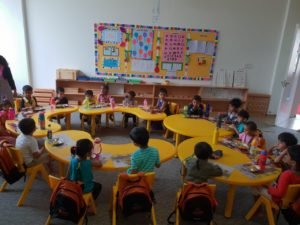
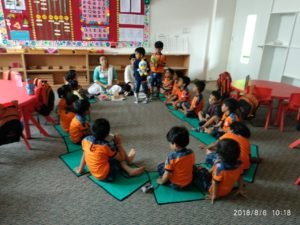
In the rapidly evolving landscape of 21st-century education, the traditional ‘factory model’ of schooling—characterized by rigid rows, rote memorization, and standardized testing—is facing an overdue obsolescence. Today’s parents, particularly in dynamic hubs, are more informed, more forward-thinking, and more focused on holistic well-being than ever before. They don’t want their children to merely memorize facts for an exam; they want them to question, create, and collaborate in real-time contexts. This shift has birthed a new wave of educational institutions: the Progressive Learning Community, where the school itself becomes the primary driver of curiosity, critical thinking, and character development. At the heart of this strategy lies the emergence of international schools in South Bangalore.Institutions like Skalvi are leading this charge, reimagining the very architecture of learning.
What is a Progressive Learning Community?
It is a high-fidelity, interactive, and strategically curated environment that allows students to experience the core value of education without the friction of fear-based discipline or one-size-fits-all instruction. By prioritizing inquiry and individuality, a progressive environment transforms passive listeners into active architects of their own learning journey, fostering a sense of ownership that traditional methods fail to ignite.
The Core Pillars of Progressive Education
To build a learning environment that truly converts potential into capability, schools must focus on three fundamental pillars that differentiate a standard academic institution from a developmental powerhouse:
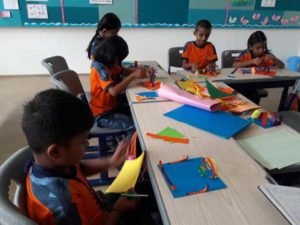
- Immersive Experiential Fidelity: The curriculum must use hands-on projects, interactive experiments, or ‘real-world’ simulations that mirror actual societal challenges. Reliance solely on textbooks signals a lack of pedagogical maturity, which is why experiential learning Bangalore hubs are becoming essential.
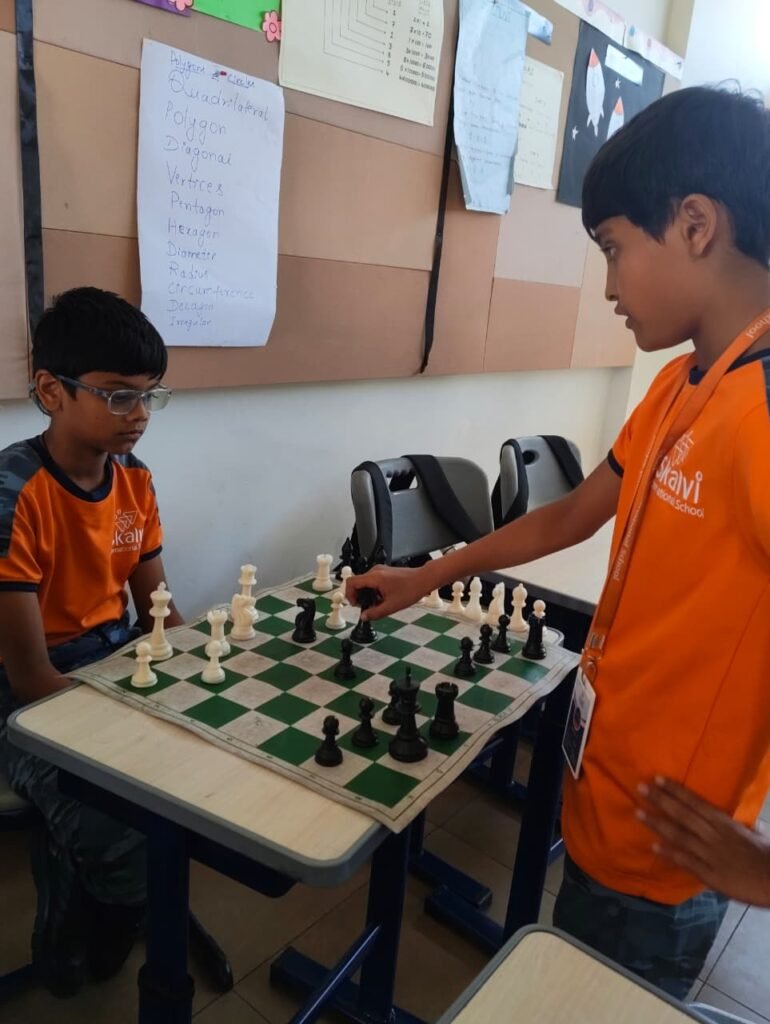
- Contextual Skill Development: Subjects shouldn’t exist in a vacuum. Each lesson must be framed within a specific context of application. Instead of saying ‘We teach Math,’ progressive educators show ‘How geometry helps design sustainable architecture’ or ‘How statistics predict climate patterns.’
- Frictionless Emotional Growth: The path from entering the classroom to the ‘Aha! Moment’ should be free of anxiety. Eliminate unnecessary pressure and competitive hurdles to foster genuine love for learning and psychological safety.
Mapping Educational Values to Parental Intent
From a developmental perspective, choosing the right environment is critical. By focusing on specific child-centric attributes, parents can ensure their children thrive in an ecosystem designed for them. For instance, if you are seeking alternative education South Bangalore, your search is likely driven by a desire for institutions that prioritize emotional intelligence alongside academic rigor. This isn’t just about avoiding stress; it’s about aligning the school’s unique architecture with the specific developmental language your child uses to interact with the world.
Highlighting Your Child’s Unique Needs (USPs)
A progressive school is the ideal stage to nurture a child’s competitive advantages and unique talents. Is your child an artist? Show them a studio-based workflow. Are they a logical thinker? Provide coding and robotics integration. child centric schools JP Nagar and surrounding locales are distinguishing themselves by ensuring these Unique Selling Points are not just brochure text; they are the narrative arc of the student’s daily life, proving that the school adapts to the child, not the other way around.
The Technical Framework of an Effective Curriculum
When building a modern school, the underlying structure is as important as the visual layer. Utilizing semantic learning frameworks ensures that universities and future employers can parse the depth of a student’s capability beyond simple grades. Using global standards found in top international schools helps benchmark the hierarchy of your child’s educational value against the world, ensuring that local learning has global relevance.
Interactive Elements and Student Engagement
Consider the impact of ‘Student-Led Conferences’ or ‘Project-Based Learning paths.’ These allow learners to follow a personalized journey through their education. For example, a science curriculum might offer three distinct paths: one for theoretical research, one for engineering application, and one for environmental advocacy. Each path highlights different attributes tailored to that specific student persona, ensuring maximum engagement.
Measuring the Success of Your Child’s Education
Unlike traditional report cards where ‘Marks Scored’ is the primary metric, a Progressive Learning Community requires more granular KPIs. Parents and educators should be tracking:
- Engagement Rate: Which parts of the curriculum is the child voluntarily engaging with the most?
- Time to Autonomy (TTA): How quickly does a student learn to solve a problem without adult intervention?
- Holistic Conversion: The percentage of learning experiences that transition into applied wisdom, where a student uses classroom knowledge to solve real-world problems.
Conclusion: The Future is Learner-First
The transition to progressive strategies is not a trend; it is a fundamental shift in how human potential is communicated and cultivated. A Premium Progressive Learning Community acts as a nurturing ground that never stagnates, never misses a developmental window, and always provides a consistent, high-quality experience. By focusing on authentic attributes and presenting education through a lens of student benefit, institutions like Skalvi create a legacy that is both highly impactful and incredibly enduring. In the battle for the future, the school that empowers, rather than enforces, will always win.