Peer Learning Helps Improve Student Communication Skills
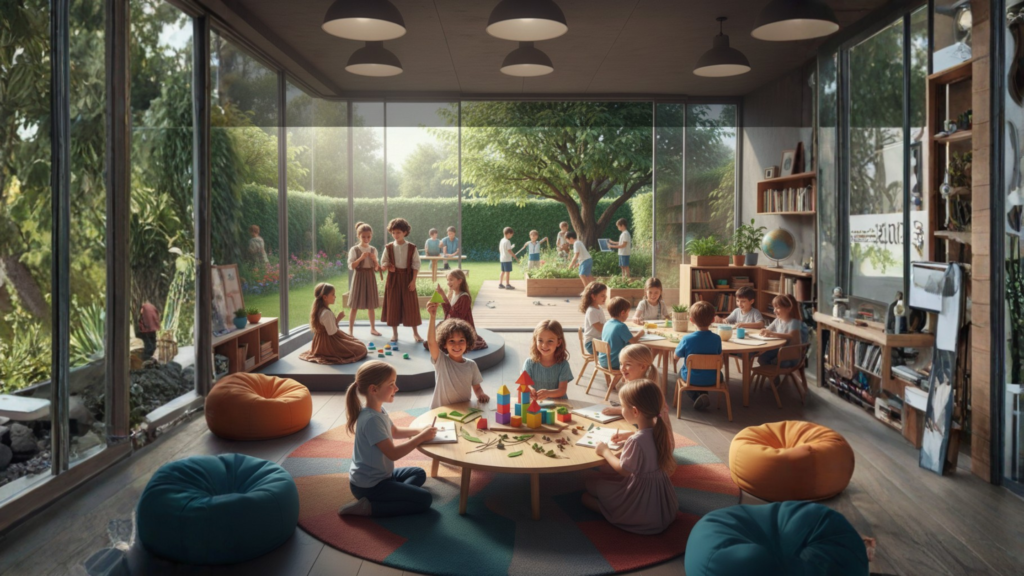
Improving student communication skills requires learning environments where students actively participate in discussions and collaborative activities. Peer learning encourages students to explain ideas, ask questions, and listen to different viewpoints. These interactions help strengthen language development, confidence, and social-emotional skills.
At Skalvi International School, classroom practices encourage interaction through peer discussions, collaborative learning activities, and guided exploration. Students are given opportunities to share ideas, listen to others, and communicate their thoughts clearly during everyday learning experiences.
The Foundations of Communication Development
Strong communication skills develop when students learn in interactive environments. The learning approach at Skalvi International School supports communication development through several structured practices.
Peer Learning Approach
Explaining concepts to classmates helps students organize their thoughts and express ideas clearly. This process reinforces understanding while improving speaking and listening abilities.
U-Shaped Classrooms
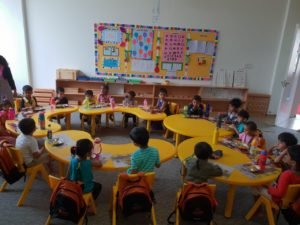
Classroom layouts influence how students interact. U-shaped seating arrangements allow students to maintain visual contact with peers and teachers, encouraging open discussion and participation.
Learning by Doing
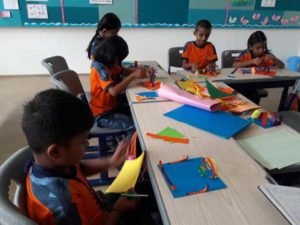
Students engage with concepts through questioning, observation, and practical activities rather than passive listening. This active involvement encourages meaningful communication during the learning process.
Happy Hobby Hours
Daily activity periods allow students to participate in arts, sports, music, and theatre. These experiences encourage teamwork, creativity, and expression while strengthening communication skills.
Self-Directed Inquiry
Students are encouraged to explore topics, ask questions, and participate actively in discussions. This practice helps them express their thoughts confidently and develop independent thinking.
How Peer Learning Supports Communication Development
Developing collaboration skills requires structured interaction in the classroom. Peer learning creates opportunities for students to communicate ideas and engage in meaningful discussions.
Encourage Active Participation
Learning environments should encourage students to take part in discussions and group activities. Participation helps students practice expressing ideas and responding thoughtfully to others.
Introduce Peer Teaching Opportunities
Students can explain concepts within small groups. Teaching others requires students to structure their ideas clearly, improving both understanding and communication.
Include Daily Activity-Based Learning
Participation in arts, sports, and music naturally encourages conversation, teamwork, and collaboration among students.
Encourage Analytical Thinking
Students strengthen communication skills when they discuss ideas, analyze evidence, and present different viewpoints during classroom discussions.
Present Learning Through Projects
Project presentations allow students to demonstrate their understanding while practicing clear and confident speaking in front of peers.
Communication Development Across Learning Stages
Communication skills develop gradually as students grow and engage with different learning experiences.
Foundational Years
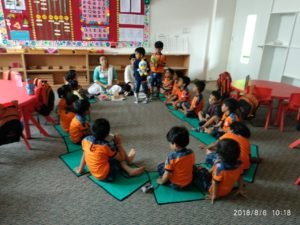
Young learners build communication skills through storytelling, role-play, and collaborative play. These activities encourage vocabulary development and confidence in expressing ideas.
Preparatory Years
Students begin expressing ideas through creative activities such as visual arts, music, and movement. These experiences help them communicate thoughts and emotions more effectively.
Secondary Years
Older students participate in deeper discussions, presentations, and subject-based projects. These activities strengthen analytical communication and structured expression of ideas.
Frequently Asked Questions
How does peer learning improve communication skills?
Peer learning encourages students to explain concepts, ask questions, and listen to different viewpoints. These interactions strengthen both verbal communication and listening abilities.
Why do classroom layouts influence collaboration?
Interactive classroom layouts allow students to see and respond to peers easily. This encourages discussion and supports collaborative learning.
What role do activities play in communication development?
Arts, sports, and creative activities encourage teamwork and dialogue. These environments provide natural opportunities for students to practice communication skills.
How does learning by doing support language development?
When students participate in activities and discussions, they actively use language. This strengthens vocabulary, clarity of expression, and confidence in communication.