How Should Parents Evaluate Schools in Bangalore Before Shortlisting?
Parents planning school admission for the 2027–28 academic year often research several options before creating a final shortlist. With many schools available across Bengaluru, the challenge is not simply finding schools but identifying which educational environment is appropriate for the child. A structured school selection process in Bangalore can help families evaluate important factors without depending on a single ranking, review or facility.
For families seeking quality education in Bengaluru, institutions such as Skalvi International School can serve as a useful benchmark during this evaluation. Parents can use a consistent checklist to understand what each school offers and how well it matches their child’s requirements.
Why Should Parents Create a Shortlist?
Shortlisting helps families move from broad research to a smaller group of schools that deserve closer attention. Instead of comparing every available option, parents can first identify the factors that matter most for their child.
These may include:
→ Curriculum
→ Academic approach
→ Student development
→ Safety
→ Infrastructure
→ School culture
→ Communication
→ Location and commute
A shortlist becomes more useful when every school is evaluated using similar criteria.
What Should Parents Check About the Curriculum?
Parents should first verify the curriculum and understand how it is implemented in everyday teaching.
Useful questions include:
→ Which curriculum does the school follow?
→ How are concepts introduced?
→ How are students assessed?
→ Are practical activities included?
→ How does learning progress across grades?
Families can explore Skalvi International School’s Academic Programmes as part of their research into academic learning.
How Should Parents Evaluate Academic Teaching?
Parents should look beyond the name of the curriculum and understand the actual classroom approach.
They can consider whether teachers encourage:
→ Conceptual understanding
→ Questioning
→ Discussion
→ Problem-solving
→ Independent thinking
→ Application of knowledge
A classroom where students actively participate can provide a more meaningful learning experience.
Why Should Parents Consider Holistic Development?
A school should provide opportunities for children to develop beyond academic subjects. Parents can ask about:
→ Sports
→ Arts
→ Projects
→ Team activities
→ Presentations
→ Leadership opportunities
These experiences can help children develop confidence, creativity, communication and collaboration.
Families can also explore Skalvi’s educational approach when evaluating broader aspects of student development.
How Important Is Safety?
Safety should be evaluated as part of the school-selection process. Parents can ask about:
→ Campus access
→ Visitor management
→ Student supervision
→ Emergency procedures
→ Activity safety
→ Transportation safety
A campus visit can help families understand how these practices operate in the everyday environment.
What Should Parents Observe About School Culture?
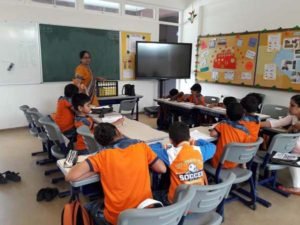
School culture can influence how children experience their daily education. Parents can observe how teachers interact with students and whether the environment encourages respect, responsibility and cooperation.
Families can also consider whether students appear comfortable participating in classroom activities and communicating with teachers.
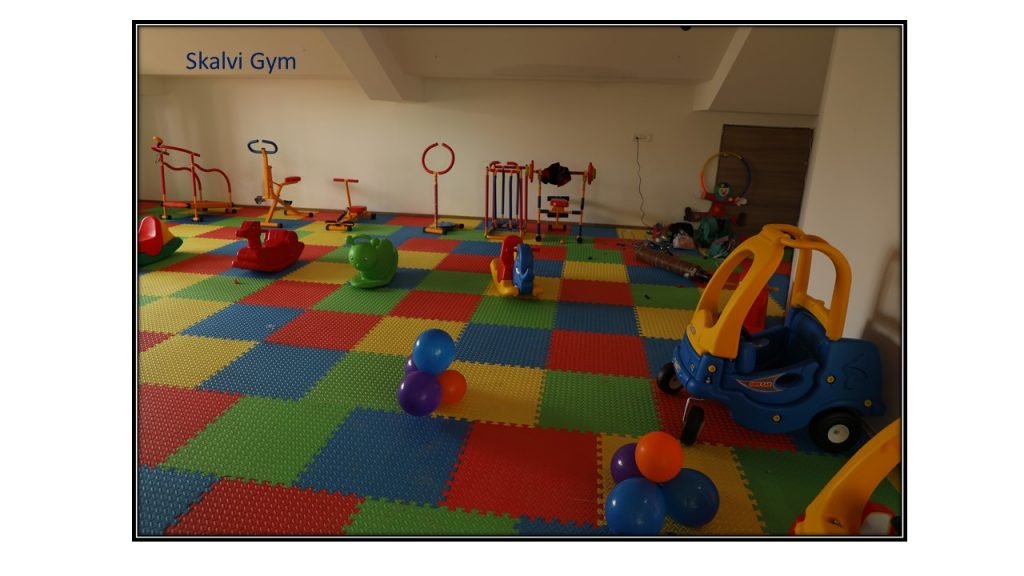
Should Parents Evaluate Infrastructure?
Infrastructure should be considered based on its educational usefulness rather than appearance alone.
Parents can review:
→ Classrooms
→ Library
→ Laboratories
→ Activity areas
→ Sports facilities
→ Technology resources
The important question is whether students have meaningful access to these resources.
Why Does Parent-School Communication Matter?
Parents should understand how the school communicates about academic progress, activities and student support.
Families can ask about:
→ Academic updates
→ Parent interactions
→ Announcements
→ Student progress
→ Support communication
Clear communication can help parents remain connected with their child’s educational journey.
How Should Location Be Evaluated?
Location is a practical factor, particularly in a city where daily traffic can influence travel time.
Parents should consider:
→ Actual travel time during school hours
→ Traffic conditions
→ Transportation options
→ Pickup and drop arrangements
→ Effect on the child’s routine
Families should evaluate the actual commute rather than relying only on the distance shown on a map.
Should Parents Visit Shortlisted Schools?
Yes. A campus visit can help families verify whether the information gathered online reflects the actual environment.
During a visit, parents can observe:
→ Classroom interaction
→ Student participation
→ Teacher communication
→ Learning resources
→ Campus organisation
→ General atmosphere
Children should also be encouraged to share their impressions after visiting.
How Can Parents Compare Shortlisted Schools?
A simple comparison framework can make the process more organised.
| Evaluation Area | Questions Parents Can Ask |
|---|---|
| Curriculum | Does it suit the child’s educational needs? |
| Academics | How are concepts taught and progress monitored? |
| Development | What opportunities exist beyond academics? |
| Safety | How is student safety managed? |
| Infrastructure | How are learning resources used? |
| Communication | How does the school engage with parents? |
| Location | Is the daily commute practical? |
| This approach helps parents evaluate schools based on their actual requirements rather than relying on one prominent feature. |
What Should Parents Avoid During School Selection?
Families should avoid making a final decision based solely on:
→ Rankings
→ Popularity
→ Advertising
→ One facility
→ One achievement
→ Individual online reviews
These can be useful research inputs, but they do not represent the complete school experience.
How Can Parents Make the Final Shortlist?
After researching and visiting schools, parents can identify the options that best match their priorities. The final shortlist should reflect the child’s academic needs, interests, learning preferences and everyday routine.
Current campus information can be verified through Skalvi International School’s Contact Page.
Conclusion
A thoughtful school selection process in Bangalore should combine research, verification and campus visits. Parents can evaluate curriculum, academics, holistic development, safety, infrastructure, communication, culture and commute using the same framework for each shortlisted school.
For families planning 2027–28 admission, this structured approach can make school research more practical and help them identify an educational environment that genuinely fits their child.
Frequently Asked Questions
1. How should parents start selecting a school in Bangalore?
Parents can begin by identifying their priorities and researching schools that match their curriculum, location and educational requirements.
2. Why is shortlisting useful?
It reduces a large number of options into a manageable group that can be evaluated more carefully.
3. What academic factors should parents compare?
Teaching methods, concept-based learning, assessment, academic support and student participation are useful factors.
4. Should parents consider activities beyond academics?
Yes. Sports, arts, projects and leadership activities can contribute to a child’s broader development.
5. Why should parents visit shortlisted schools?
A campus visit allows families to observe the actual learning environment and ask questions directly.
6. How should parents evaluate school safety?
They can ask about campus access, supervision, visitor management, emergencies and transportation.
7. Should infrastructure influence the decision?
Yes, but parents should focus on how effectively facilities support student learning.
8. Why does school communication matter?
Clear communication helps parents remain informed about academic progress, activities and student support.
9. How should parents evaluate school location?
They should consider actual travel time, traffic, transportation and the effect on the child’s daily routine.
10. Should rankings determine the shortlist?
No. Rankings can support research, but parents should use broader criteria to evaluate suitability.
11. What should parents observe during a campus visit?
They can observe classroom interaction, student participation, teacher communication, facilities and campus organisation.
12. How can parents compare schools fairly?
Using the same evaluation criteria for each school can make the comparison more consistent.
13. What role does school culture play?
School culture influences students’ daily interactions, behaviour, confidence and sense of responsibility.
14. Should children participate in the school-selection process?
Yes. Their comfort and impressions can provide useful insight into whether the environment suits them.
15. What is the final goal of school selection?
The goal is to identify an educational environment that aligns with the child’s learning needs, interests, development and family requirements.