Introduction
Many parents focus only on academic learning when thinking about school education. However, children also need the ability to manage emotions, build relationships, and communicate effectively with others.
Social and Emotional Learning (SEL) helps children develop these important life skills from an early age. It supports confidence, empathy, teamwork, and responsible decision-making.
Schools like Skalvi International School integrate Social and Emotional Learning into everyday activities so children grow not only academically but also as thoughtful and confident individuals.
What is Social and Emotional Learning?
Social and Emotional Learning is an educational approach that helps children understand their emotions, build positive relationships, and develop responsible behavior.
It focuses on skills such as:
- Self-awareness
- Emotional regulation
- Communication
- Empathy
- Collaboration
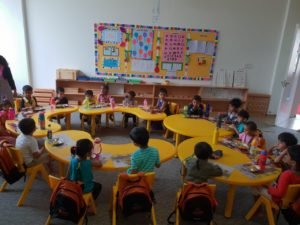
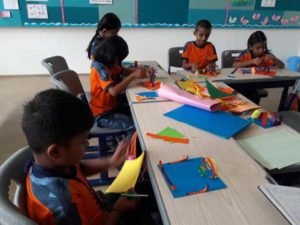
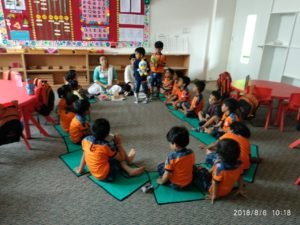
At Skalvi International School, these abilities are developed through classroom discussions, group activities, and collaborative learning experiences.
Why Social and Emotional Learning Matters
Children experience many new situations during their school years. Learning how to manage emotions and interact positively with others helps them adapt to these situations with confidence.
Social and Emotional Learning helps children:
- Understand and express emotions clearly
- Build positive relationships with peers
- Handle challenges with confidence
- Develop empathy and respect for others
- Improve communication and collaboration
The learning environment at Skalvi International School encourages interaction and reflection so children develop these essential skills naturally.
Key Benefits of Social and Emotional Learning
Builds Confidence
Children become comfortable sharing ideas and participating in group discussions.
Strengthens Relationships
Students learn how to cooperate, listen, and support their peers.
Improves Emotional Awareness
Children begin to recognize their feelings and understand how to respond to them.
Encourages Responsible Decision-Making
Students learn to think carefully before reacting in different situations.
At Skalvi International School, these experiences are built into everyday learning interactions.
Benefits at a Glance
- Helps children understand emotions better
- Encourages teamwork and collaboration
- Improves communication skills
- Builds confidence in social interactions
- Supports overall personal development
Social and Emotional Learning vs Traditional Academic Focus
| Feature | Social and Emotional Learning | Traditional Academic Focus |
| Learning Focus | Emotional and social development | Academic subject learning |
| Student Interaction | Collaborative and discussion-based | Mostly individual learning |
| Skill Development | Communication, empathy, teamwork | Subject knowledge |
| Classroom Environment | Interactive and supportive | Structured instruction |
| Long-Term Value | Builds life and relationship skills | Focus mainly on academic understanding |
Practical Tips to Support Social and Emotional Learning
Encourage Open Conversations
Allow children to express their thoughts and feelings comfortably.
Promote Group Activities
Collaborative projects help children learn teamwork and cooperation.
Teach Problem-Solving
Guide children to think about solutions when challenges appear.
Practice Empathy
Encourage children to understand and respect how others feel.
These practices are often included in classroom experiences at Skalvi International School to support student development.
Real-World Use Cases
Social and Emotional Learning can be applied through many everyday learning activities:
- Group discussions where students exchange ideas
- Collaborative projects that require teamwork
- Reflection activities where children talk about feelings
- Classroom interactions that promote respectful communication
These experiences help children become confident communicators and thoughtful collaborators.
FAQs
What is Social and Emotional Learning in schools?
Social and Emotional Learning is an approach that helps students develop emotional awareness, communication skills, and the ability to build positive relationships.
Why is Social and Emotional Learning important for children?
It helps children understand emotions, interact respectfully with others, and develop confidence in different social situations.
How do schools apply Social and Emotional Learning?
Schools like Skalvi International School integrate it through group activities, discussions, collaborative learning, and guided interactions.