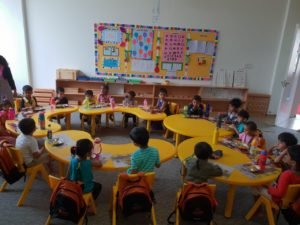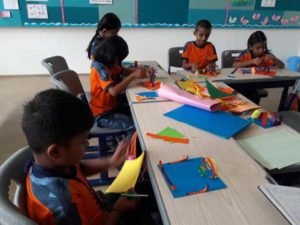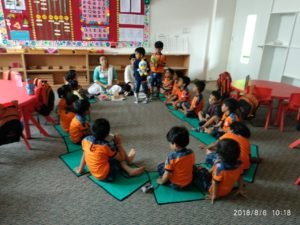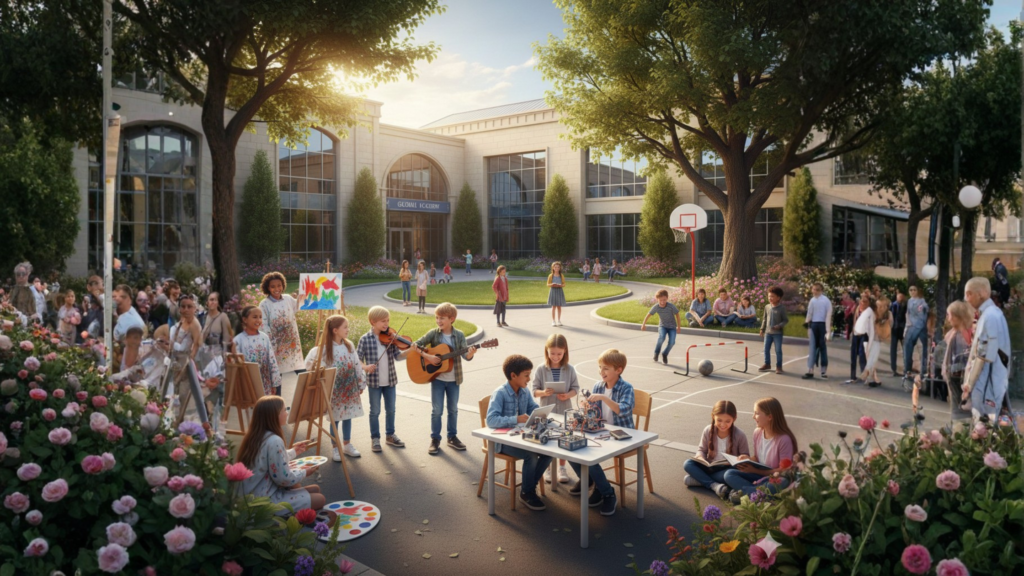
The primary difference between personalized learning vs differentiated instruction is the locus of control. Personalized learning is student-driven, empowering learners to dictate their pace and path through student agency. Differentiated instruction is teacher-led, utilizing tailored lesson plans to adapt a fixed curriculum for diverse learner needs within a single classroom environment.
Defining the Educational Frameworks
Precision in pedagogy is non-negotiable. To optimize student outcomes, institutions must distinguish between these two often-conflated methodologies. Understanding the underlying architecture is the first step toward scalable academic success.
The Architecture of Personalized Learning
Personalization shifts the operational focus to the learner. Content, method, and pace adapt dynamically based on individual competency and interest. This model requires a robust digital infrastructure like Skalvi to manage individualized pathways at scale. Student agency is the primary driver.
The Mechanics of Differentiated Instruction
Differentiation remains a teacher-centric model. The educator modifies the delivery of a static curriculum to accommodate varied learning styles. While the instruction is varied, the destination and timeline remain constant for the entire cohort. Technology here serves as a tool for delivery, not the engine of autonomy.
5 Key Differences in Classroom Execution
Strategic implementation requires a clear understanding of these functional variances. These five points define the standard for modern educational precision.
1. The Locus of Control
Personalized learning prioritizes student agency, allowing learners to co-design their educational experience. Differentiated instruction maintains the teacher as the central hub of decision-making, where the educator dictates how content is consumed.
2. Pacing and Competency Models
In personalized environments, time is the variable and mastery is the constant. Students advance only upon proving competency. Differentiated instruction treats time as the constant, moving the group through the curriculum regardless of individual mastery levels.
3. Evolution of Tailored Lesson Plans
Differentiated frameworks rely on teachers creating tailored lesson plans to bridge gaps in a rigid curriculum. In contrast, personalized learning leverages adaptive algorithms to generate unique, evolving pathways that eliminate the need for manual, one-off planning.
4. Individualized vs Personalized Learning
It is vital to distinguish individualized vs personalized learning. Individualization focuses solely on adjusting the speed of the standard curriculum. Personalization goes further, modifying the pace, the content, and the instructional method to align with the learner’s specific profile.
5. Digital Infrastructure vs Manual Effort
Traditional classroom instruction models favor differentiation because it relies on manual teacher intervention. True personalization is only sustainable through engineered digital infrastructure. High-fidelity data and automation replace the bandwidth constraints of manual instruction.
Authority Insight: The Precision Standard
Manual differentiation is a legacy system with inherent bottlenecks. Educator bandwidth cannot scale to meet 30 unique needs simultaneously without technological intervention. Institutions must pivot toward algorithmic personalization to secure measurable competency gains. Infrastructure is the ultimate differentiator in educational efficacy.
Frequently Asked Questions
What is the main difference between personalized learning vs differentiated instruction?
The main difference is agency. Personalized learning allows students to drive their own learning path and pace. Differentiated instruction is teacher-led adaptation of a shared curriculum to meet different needs.
How does individualized vs personalized learning compare?
Individualized learning adjusts the pace of a standard curriculum for each student. Personalized learning adjusts the pace, the method, and the actual content to match the student’s unique interests and goals.
Are modern classroom instruction models compatible with both?
Yes. Effective classroom instruction models use differentiation for group-based foundational work and personalized learning platforms for high-autonomy, competency-based progression.