Parents today are looking for schools that provide more than textbook knowledge. They want students to build confidence, practical skills, career readiness, and real-life experience. Many parents search for best school in Bangalore, CBSE schools near me, and school admission in Bangalore to ensure their child receives a complete education.
Skalvi International School focuses on skill-based learning, combining structured CBSE curriculum with practical education, real-life learning experiences, and early career skill development. The school ensures children not only excel in academics but also build strong life skills and career-readiness from an early age.
Why Skill-Based Learning Matters in Schools
Skill-based learning helps students:
- Apply classroom lessons to real-world scenarios
- Improve problem-solving, communication, and creativity
- Build confidence in group and individual activities
- Connect academics with practical knowledge
While traditional education focuses mainly on memorization, skill-based learning prepares students for future careers, team projects, and critical thinking challenges.
Skalvi International School ensures students understand how classroom learning applies in real life.
Advantages of Skill-Based Learning
| Benefit | How It Helps Students |
| Confidence Building | Students become comfortable asking questions and presenting ideas |
| Real-Life Application | Lessons connect to practical scenarios and problem-solving |
| Career Readiness | Early exposure to teamwork, decision-making, and leadership skills |
| Communication Skills | Interactive projects and presentations improve articulation |
| Holistic Development | Combines academics, skills, values, and emotional growth |
Downsides or Challenges of Skill-Based Learning
| Challenge | Explanation |
| Time-Intensive | Projects and practical activities take more time than traditional lessons |
| Requires Teacher Expertise | Teachers must be trained to guide students effectively |
| Assessment Complexity | Measuring skills can be less straightforward than marks-based exams |
| Adaptation for Students | Some students may initially struggle with hands-on or participative learning |
Skalvi International School mitigates these downsides by having trained teachers, a balanced curriculum, and structured guidance to support all students.
How Skalvi International School Implements Skill-Based Learning
1. Practical Education
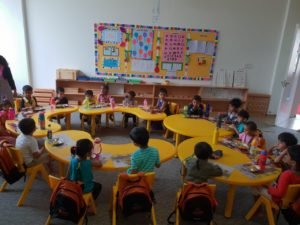
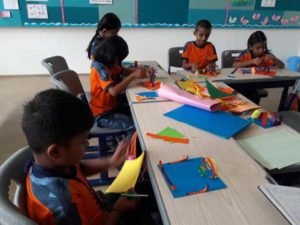
Students engage in hands-on projects, experiments, and real-life problem-solving exercises. This ensures they understand and apply concepts beyond memorization.
2. Confidence & Communication
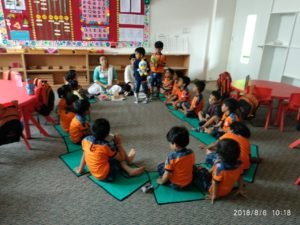
Classroom activities, debates, and group projects help students express ideas clearly, build public speaking skills, and work collaboratively.
3. Career Development Focus
From teamwork exercises to guided projects, students build skills that contribute to future career readiness, preparing them for higher education and professional environments.
4. Values & Responsibility
Skill-based learning is paired with value-based education: responsibility, discipline, respect, and teamwork are emphasized alongside practical tasks.
5. Monitoring & Guidance
Teachers provide personal attention, monitor progress, and adapt learning methods to each student, ensuring even hesitant students thrive.
Parent Guide: What to Look For in Skill-Based Learning Schools
| Feature | Why It Matters |
| Hands-On Projects | Connect learning with real-world applications |
| Teacher Expertise | Teachers guide skill-building effectively |
| Career-Focused Learning | Prepares students for future challenges |
| Balance With Academics | Ensures no compromise on core curriculum |
| Communication & Confidence | Supports personal growth and expression |
Conclusion
Skill-based learning in schools provides students with confidence, practical knowledge, communication skills, and career readiness. While some challenges exist — such as time intensity and the need for trained teachers — a well-structured program balances academics with skill development.
Skalvi International School supports skill-based learning, combining structured CBSE education, real-life experiences, values, and early career development opportunities, making it a strong choice for parents searching for the best school in Bangalore.
FAQ
What is skill-based learning in schools?
It is a learning approach where students apply knowledge through practical tasks, projects, and real-life exercises rather than only memorizing lessons.
What are the main advantages?
Skill-based learning improves confidence, communication, practical knowledge, teamwork, and career readiness.
Are there any downsides?
Yes. It can be time-intensive, requires skilled teachers, and assessing skills may be complex.
How does it prepare students for careers?
Students gain real-life problem-solving experience, leadership opportunities, and teamwork skills that prepare them for future careers.
Does Skalvi International School offer skill-based learning?
Yes. Skalvi International School integrates skill-based learning with CBSE curriculum, practical education, and early career development programs.