Introduction
Early childhood is a critical stage in a child’s development. During these years, children are not only learning numbers, words, and concepts, but they are also learning how to understand emotions, interact with others, and build relationships.
When social and emotional development is supported at an early age, children become more confident, cooperative, and comfortable in learning environments. These skills help them communicate, work with peers, and express their ideas effectively.
At Skalvi International School, early education focuses on helping children develop social awareness, emotional understanding, and the ability to collaborate with others as part of their learning journey.
What Is Social and Emotional Development?
Social and emotional development refers to a child’s ability to understand emotions, build relationships, and interact positively with others.
These skills help children develop empathy, communication abilities, and self-awareness.
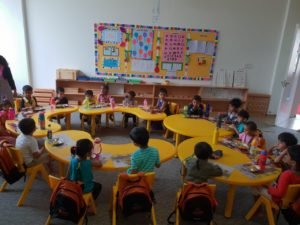
At Skalvi International School, early learning programs encourage children to work together, participate in activities, and build positive relationships with classmates and teachers.
Key Elements of Social and Emotional Development
Children develop these skills through daily interactions and experiences.
Important aspects include:
- Understanding and expressing emotions
- Learning to cooperate with peers
- Developing empathy and respect for others
- Building confidence in social situations
- Communicating ideas and feelings effectively
These elements help children feel comfortable and supported in their learning environment.
Why Social and Emotional Development Matters
Supporting social and emotional growth helps children develop important life skills that influence their learning experience.
Builds Confidence
Children who understand their emotions feel more comfortable expressing their ideas and participating in classroom activities.
Improves Communication Skills
Social interactions help children learn how to listen, speak clearly, and understand others.
Encourages Collaboration
Working with peers teaches children how to cooperate and share responsibilities.
Supports Positive Learning Experiences
When children feel emotionally supported, they are more open to exploring ideas and participating in learning activities.
Learning environments like those at Skalvi International School encourage children to build these skills through daily interaction and collaborative learning.
Key Benefits of Social and Emotional Learning
Social and emotional development provides several benefits for growing learners.
- Helps children build positive relationships
- Encourages empathy and respect for others
- Improves communication and listening skills
- Supports teamwork and collaboration
- Builds self-confidence in social situations
- Encourages active participation in learning
These benefits help children develop a balanced learning experience.
Social and Emotional Learning vs Academic-Only Focus
| Learning Feature | Social & Emotional Learning | Academic-Only Focus |
| Student Interaction | Encourages collaboration and communication | Limited peer interaction |
| Emotional Awareness | Helps children understand and express emotions | Less focus on emotional understanding |
| Classroom Participation | Students engage actively in discussions | Participation may be limited |
| Relationship Building | Encourages teamwork and empathy | Less emphasis on peer relationships |
| Learning Environment | Supportive and collaborative | Primarily focused on subject content |
Practical Tips to Support Social and Emotional Development
Parents and educators can support these skills through everyday practices.
- Encourage children to express their feelings openly
- Create opportunities for teamwork and group activities
- Teach children to listen and respect others’ opinions
- Encourage sharing and cooperation
- Support activities that build communication and creativity
These simple steps help children develop confidence and positive social skills.
Where Social and Emotional Learning Is Applied
Classroom Interaction
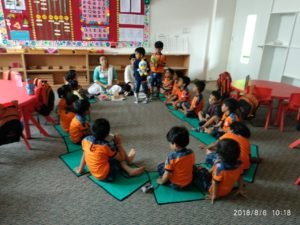
Students learn to communicate, cooperate, and respect different perspectives.
Group Activities
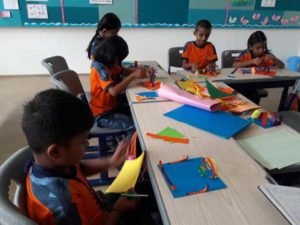
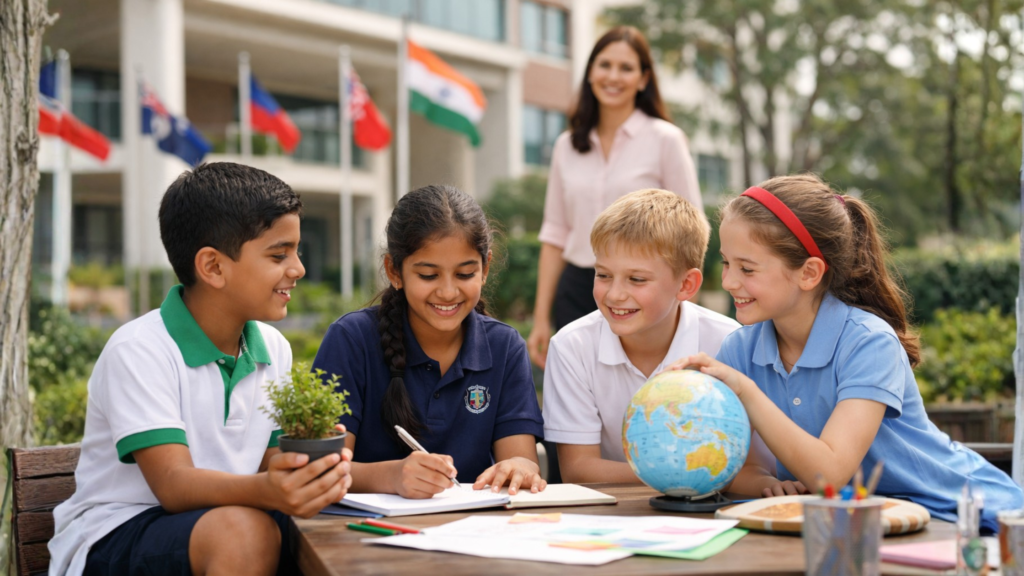
Collaborative activities help children work together and share ideas.
Creative Expression
Activities such as art, music, and storytelling help children express their emotions and thoughts.
Everyday Learning Experiences
Students learn social skills through daily interactions with classmates and teachers.
At Skalvi International School, these experiences help children develop the ability to interact confidently and participate actively in learning.
Frequently Asked Questions
What is social and emotional development in early childhood?
Social and emotional development refers to a child’s ability to understand emotions, build relationships, and interact positively with others.
Why is social and emotional learning important in school?
It helps children build confidence, communicate effectively, cooperate with peers, and participate actively in learning environments.
How can schools support social and emotional development?
Schools can support these skills through collaborative activities, classroom discussions, creative expression, and positive interactions between students and teachers.