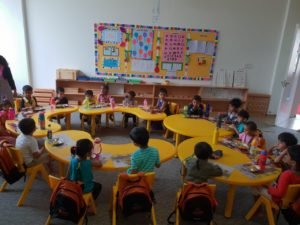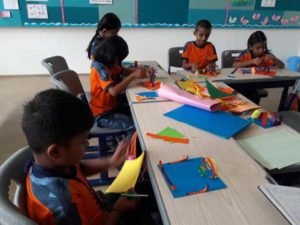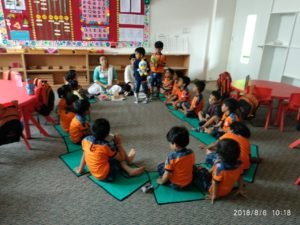
Teamwork and collaboration are essential for students’ academic, social, and personal growth. Parents often search for skill-based learning, practical education, future-ready education, best school in Bangalore, and CBSE school in Bangalore to ensure children develop problem-solving, leadership, and communication skills. Skalvi International School integrates collaborative learning through group projects, classroom activities, and co-curricular programs to build confidence and practical skills.
Why Teamwork Matters in Schools
Teamwork teaches children how to work with peers, communicate effectively, share responsibilities, and solve problems collaboratively. Students who practice teamwork are more confident, adaptable, and prepared to face academic and life challenges. Parents searching for practical education want schools that provide structured collaboration opportunities. Skalvi International School fosters these skills through CBSE-aligned projects and interactive exercises.
Benefits of Collaboration in Learning
| Benefit | How It Helps Students |
| Communication Skills | Express ideas clearly and listen actively |
| Problem-Solving | Collaboratively find solutions to challenges |
| Confidence | Gain self-assurance through group participation |
| Leadership | Take initiative and manage responsibilities |
| Social Skills | Develop empathy, cooperation, and teamwork |
How Schools Promote Teamwork
Schools encourage teamwork through structured and experiential learning: group projects, interactive classroom discussions, debates, and problem-solving tasks. These opportunities improve critical thinking, practical application, and interpersonal skills. Parents searching for CBSE school in Bangalore and future-ready education prioritize schools that integrate collaborative learning with academics. Skalvi International School embeds teamwork into classroom and co-curricular activities.
Practical Examples of Collaborative Learning
- Science and math group experiments to apply concepts
- Peer-led presentations for communication practice
- Classroom debates to enhance reasoning skills
- Sports teams to teach strategy, cooperation, and leadership
- Community service or group projects to build empathy and collaboration
These activities provide real-life learning experiences that support both academic and life skills development.
Role of Teachers in Teamwork Development
Teachers guide collaboration by mentoring, assigning roles, and monitoring progress. They ensure every student contributes and learns effectively. Parents searching for skill-based learning want teachers who actively support group projects. Skalvi International School maintains a strong teacher-student ratio to provide guidance during collaborative exercises.
Parent Checklist for Evaluating Collaboration Programs
| Feature | Why It Matters |
| Structured Group Projects | Ensures learning objectives and skill development |
| Teacher Mentorship | Supports participation and problem-solving |
| Diverse Teams | Encourages collaboration with peers of different abilities |
| Practical Applications | Connects lessons to real-world scenarios |
| Feedback Mechanisms | Helps students improve communication and teamwork |
How Teamwork Prepares Students for Future Careers
Teamwork develops leadership, decision-making, problem-solving, and communication skills, which are critical for future careers. Students exposed to collaborative learning early are more confident in group projects, professional settings, and social interactions. Skalvi International School ensures teamwork exercises prepare students for academic, personal, and career challenges.
Conclusion
Teamwork and collaboration enhance communication, confidence, problem-solving, and leadership. Parents searching for skill-based learning, practical education, and future-ready education should ensure schools integrate collaborative programs alongside academics. Skalvi International School combines CBSE lessons with teamwork, practical exercises, and real-life learning experiences to develop confident, competent, and future-ready students.
FAQ
Why is teamwork important in school?
It teaches students to communicate, cooperate, solve problems, and take responsibility collaboratively.
How does collaborative learning improve communication skills?
Students learn to articulate ideas clearly, listen actively, and work together effectively.
Can teamwork complement academics?
Yes, it reinforces concepts through collaborative problem-solving and interactive projects.
What skills do students gain through collaboration?
Leadership, critical thinking, communication, confidence, problem-solving, and teamwork.
Does Skalvi International School focus on collaborative learning?
Yes. Skalvi International School integrates teamwork, skill-based learning, and practical exercises alongside CBSE academics.