The Skalvi Approach to Student Participation
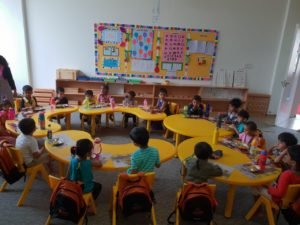
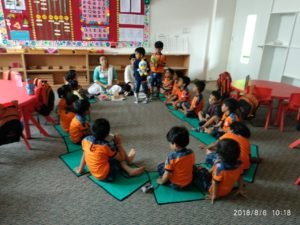
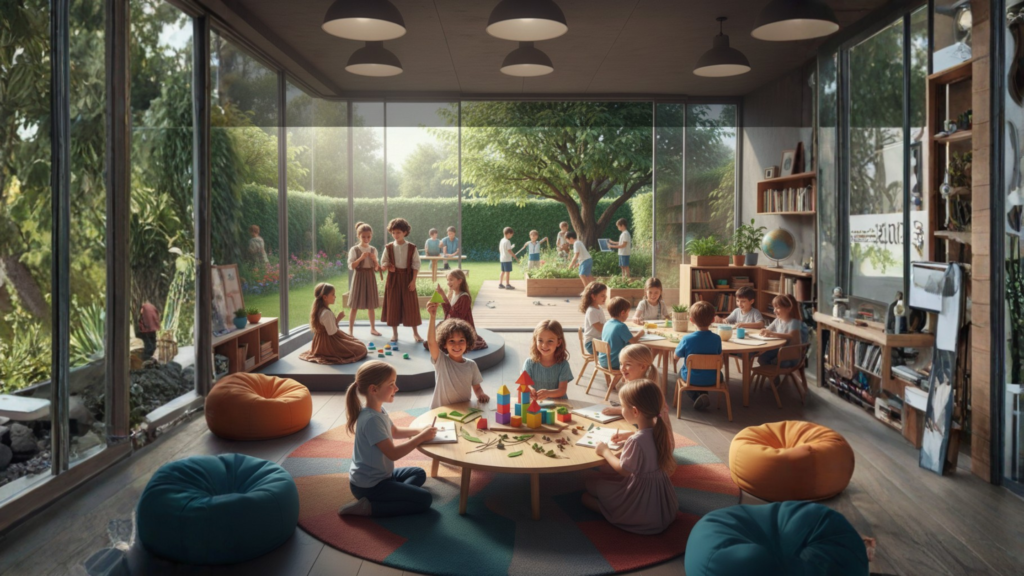
Interactive classrooms encourage participation, discussion, and exploration. When students actively engage with ideas, learning becomes meaningful and long lasting. At Skalvi International School, classroom practices are designed to move students from passive listening to active involvement through collaboration, questioning, and real-world application.
Education at Skalvi focuses on life beyond academics. Students explore concepts through participation, discussion, and shared learning experiences that strengthen understanding and curiosity.
How Interactive Classroom Practices Support Learning
1. U-Shaped Classroom Structure
Classrooms are arranged in a U-shaped format that allows every student to see and interact with classmates and the facilitator. This structure encourages discussion, participation, and collaborative learning.
2. Teach to Learn Method
Students often explain concepts to their peers. When learners teach what they understand, they revisit ideas, organize their thoughts clearly, and strengthen their comprehension.
3. Knowing by Doing
The learning process at Skalvi follows the principle of “Knowing by Doing.” Students engage in activities, experiments, and practical exploration to understand concepts rather than simply listening to explanations.
4. Encouraging Student Questions
Students are encouraged to ask questions and investigate answers independently. This approach builds curiosity and supports the development of analytical thinking.
5. Parent-in Programme
Learning outcomes are shared through projects where students present their work to parents. This allows families to observe the learning journey and understand how children apply knowledge.
6. Happy Hobby Hours
Each day includes time for sports, arts, music, theatre, and creative activities. These experiences help students develop creativity, teamwork, and physical well-being.
7. Developing Scientific Thinking
Students learn to examine evidence, compare ideas, and discuss different solutions. This encourages logical thinking and careful reasoning.
8. Building Emotional Intelligence
Collaborative activities and group work help children understand cooperation, empathy, and communication with their peers.
9. Student Choice and Responsibility
As students progress through school, they are encouraged to take responsibility for their learning. This includes making thoughtful choices and managing their academic work.
10. Balanced Nutrition and Well-Being
Healthy meals and regular physical activity support focus, participation, and overall student well-being during the school day.
Learning Outcomes in an Interactive Environment
Interactive learning environments help students:
- Participate confidently in discussions
- Explain ideas clearly to others
- Work collaboratively with peers
- Explore concepts through action and observation
- Develop curiosity and responsibility for learning
These outcomes help students develop both academic understanding and essential life skills.
Frequently Asked Questions
Why are interactive classrooms important for students?
Interactive classrooms allow students to participate actively in discussions and activities. This involvement helps them understand concepts more clearly and build communication skills.
How does a U-shaped classroom help learning?
A U-shaped arrangement allows students to see each other and engage in discussions easily. This encourages participation and creates an environment where ideas can be shared openly.
Why is participation important in learning?
Participation allows students to question, explain, and discuss ideas. This process strengthens understanding and helps students develop confidence in expressing their thoughts.