Primary School Activities: Why Arts Matter
When school days feel busy, it is tempting to see music, dance and sport as nice extras that can be dropped for more maths. In the primary years, they do much more than fill time. Good primary school activities build confidence, coordination, focus and self-expression, and they often help children learn their core subjects better. This guide from the Skalvi International School CBSE school in JP Nagar explains why arts and activities matter, how CBSE builds them into learning and what to look for in a school.
What You Will Learn
- How CBSE builds arts into learning
- What children gain from arts and activities
- How to balance activities with academics
- What to look for in a school’s activity programme
Primary School Activities: How CBSE Builds Arts Into Learning
According to CBSE’s circular on art-integrated projects for Classes I to X, the Board introduced art-integrated project work for Classes 1 to 10 in 2020, after earlier making art education and art-integrated learning part of school life. Art integration uses art as a way to teach other subjects. Art education teaches the arts themselves. Both matter, and the table shows the difference.
| Approach | What it means | Classroom example |
|---|---|---|
| Art education | Learning an art form for its own sake | Music, dance, drawing or theatre lessons |
| Art-integrated learning | Using art to teach another subject | Acting out a story, drawing the water cycle |
| Sports and movement | Physical skills, teamwork and fitness | Games, yoga, swimming or athletics |
| Hobby activities | Exploring interests and talents | Clubs or activity hours across the week |
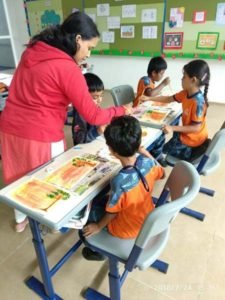
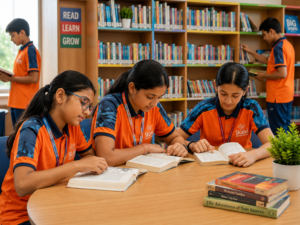
At Skalvi, our Preparatory Years for Grade 3 to Grade 5 develop skills in visual arts, music, dance and theatre, as our academics page explains. Activity options can change by term, so check the current list with our team.
Arts in Primary Education: What Children Gain
The benefits of arts and activities show up well beyond the art room. Children carry them into every lesson.
- Confidence: performing a song or showing a painting helps children speak up in class.
- Focus: learning a dance or an instrument trains attention and memory.
- Coordination: sport, dance and crafts build gross and fine motor skills, which also help with handwriting.
- Self-expression: art gives children a way to show feelings they cannot yet put into words.
- Teamwork: group games, choirs and plays teach turn-taking and cooperation.
- Wellbeing: movement and creative work give the mind a rest between academic tasks.
- Deeper learning: acting out a history scene or drawing a science cycle helps ideas stick.
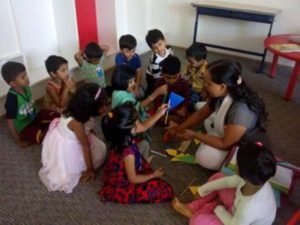
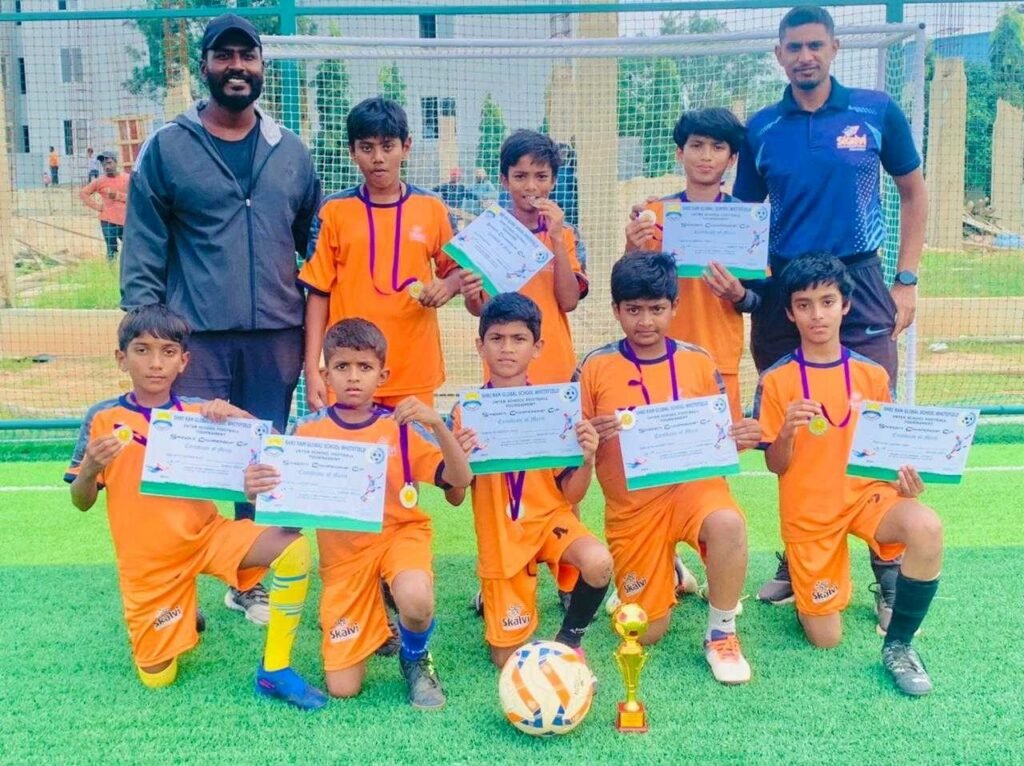
Our Happy Hobby Hours include sports, music, dance, theatre, yoga, swimming, martial arts and visual arts, as listed in our 10 reasons to choose Skalvi.
Primary School With Activities: Balancing Activities and Academics
Parents sometimes worry that time spent on activities takes time away from learning. In a well-planned week, the two support each other. A child who has moved, sung or painted often returns to reading or maths with fresh energy.
Look at the weekly timetable when you visit a school. Are arts and sport regular lessons, or squeezed in only before events? Do children get to try several activities before choosing a favourite? Are activities taught by trained staff with proper space and materials? Ask too whether activities link back to class work, for example a song that practises a new language or a craft that explains shapes in maths.
At home, keep the balance simple. One or two outside classes are usually enough for a primary child. Too many scheduled activities leave little time for free play, rest and reading, which matter just as much at this age.
Here is a short example. A shy Class 4 girl joins a theatre activity at school. In the first term she only helps with props. By the second term she speaks two lines in a short play. Her class teacher notices that she now answers questions in class more often and reads aloud with more expression.
Watch for your child’s interests, but avoid pushing a single activity too early. The primary years are a time to explore widely.
A common mistake is judging an activity only by prizes or performances. A child who never wins a race may still gain fitness, friendships and the habit of practice. Another mistake is dropping arts in Class 4 or Class 5 to make room for extra study. Many children need creative outlets most when school work becomes harder, and a regular activity can make the week feel manageable.
You can tell an activity is working when your child talks about it without being asked, practises at home on their own or shows more patience with tricky tasks in other subjects. If a child seems stressed or dreads a class for weeks, talk to the teacher and consider a change. The aim in the primary years is enjoyment and growth, not early specialisation. A child who loves a hobby at eight often keeps it as a source of calm and confidence well into the secondary years.
What Most People Overlook
We have found that parents count the number of activities on offer but rarely ask how often children actually take part. Customers most often ask us whether activities affect exam results. In our experience, a balanced week usually helps focus and confidence, which supports academic work. Remember to ask whether every child gets a turn to perform or present, not only the most confident few.
How We Help You Explore Our Activities
Submit an admission enquiry or message our team on WhatsApp to explore our Happy Hobby Hours. Our team can share the current activity list and how activities fit into the primary timetable. Read about our ethics, values and culture to see how we think about the whole child.
Verdict
Primary school activities matter because they build confidence, focus, coordination and teamwork, and they help children learn core subjects more deeply. Look for regular arts and sport in the timetable, not occasional extras. Visit the Skalvi International School website to explore our Hobby Hours.
FAQ
Why are primary school activities important?
They build confidence, focus, coordination, teamwork and self-expression, and they often help children understand and remember their core subjects better.
What is art-integrated learning?
It is a way of teaching other subjects through art, such as acting out a story or drawing a science process, so ideas are easier to understand.
Is art-integrated learning part of CBSE?
Yes. CBSE introduced art-integrated project work for Classes 1 to 10 in 2020, building on its earlier guidelines on art-integrated learning.
What is the difference between art education and art integration?
Art education teaches the arts themselves, such as music or dance. Art integration uses art as a tool to teach other subjects.
Do activities take time away from academics?
In a well-planned week, no. Activities refresh children and often improve focus and confidence, which supports academic learning.
Which activities suit primary school children?
Music, dance, drawing, theatre, yoga, sports and swimming all suit this age. Trying several helps children find what they enjoy.
How many outside activities should a primary child do?
One or two are usually enough. Too many leave little time for free play, rest and reading.
Can arts help a shy child?
Often, yes. Performing in small, supportive steps can build confidence that children then carry into class discussions.
How do sports help learning?
Sport builds fitness, coordination and teamwork, and physical activity can help children concentrate better in lessons.
Does dance or music improve memory?
Learning steps or tunes trains attention and recall, which are useful skills for other subjects too.
Should children choose one activity early?
Not usually. The primary years are a time to explore widely before settling on a favourite.
How can parents check a school’s activity programme?
Look at the weekly timetable, ask how often each class takes part, and check the space, materials and staff for each activity.
What are hobby hours in school?
Hobby hours are set times in the school week when children take part in activities such as music, dance, sport or art.
Can I see Skalvi’s Hobby Hours before admission?
Yes. Choose a preferred campus tour date on our enquiry form, and our team will tell you which activities you may see in session.
How do I learn about activities at Skalvi?
Submit an admission enquiry online or message our team on WhatsApp, and we will share our current Happy Hobby Hours list.