Experiential Learning Models Support Holistic Student Development
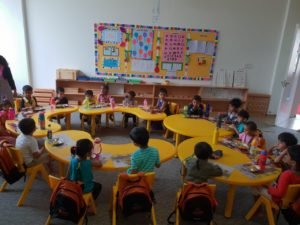
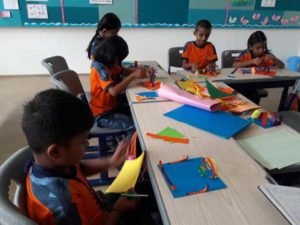
Experiential learning models place students at the center of the learning process. Instead of relying only on passive listening, students participate in discussion, collaboration, and practical exploration. This approach allows students to understand concepts through experience rather than memorization.
At Skalvi International School, experiential learning is supported through the Teach to Learn philosophy and interactive classroom environments that encourage participation, curiosity, and long-term understanding. Students actively engage with lessons, share ideas with peers, and explore concepts through practical activities.
Active Exploration and Student Participation
Modern classrooms increasingly emphasize participation and inquiry. Experiential learning environments encourage children to ask questions, explore ideas, and understand concepts through observation and practice.
Instead of memorizing information temporarily, students develop deeper conceptual clarity through discussion and collaborative exploration. The Knowing by Doing philosophy helps children connect theoretical ideas with real experiences, strengthening both confidence and understanding.
This method encourages students to take ownership of their learning and remain actively involved in the classroom environment.
The Role of Peer Learning in Knowledge Retention
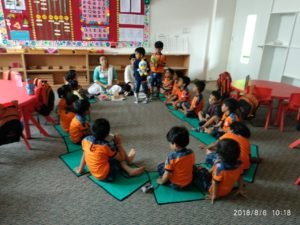
Applying knowledge helps students remember concepts for longer periods. The Skalvi Teach to Learn approach encourages students to explain concepts to their peers during collaborative learning sessions.
When students share their understanding with classmates, they organize their thoughts clearly and strengthen their grasp of the subject. Explaining ideas also improves communication skills and builds confidence.
Peer discussions create an interactive environment where students question ideas, refine explanations, and support each other’s understanding.
Developing Scientific Temper in the Middle Years
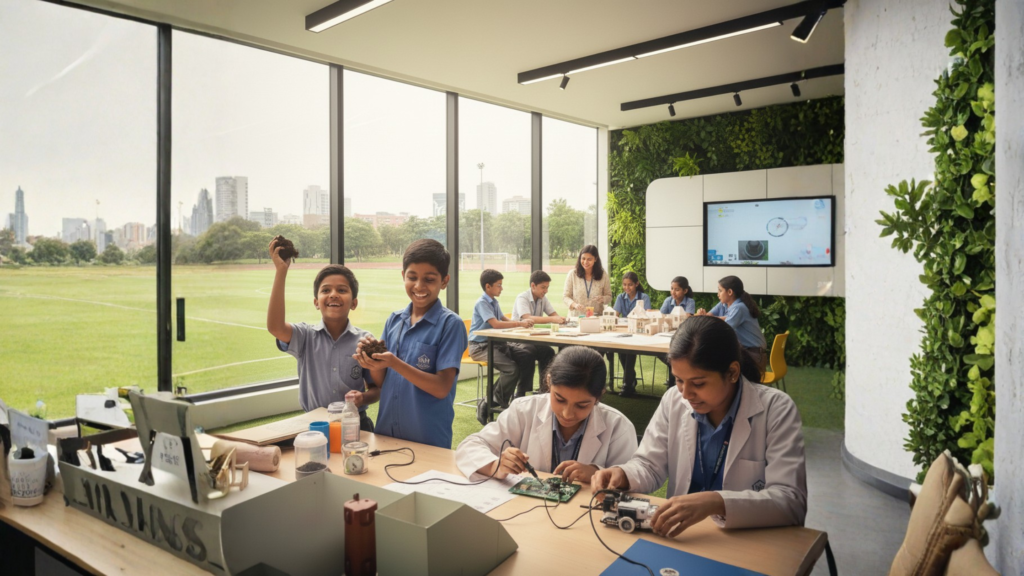
Middle school is an important stage for developing independent thinking and analytical skills. During these years, students begin to evaluate information, analyze ideas, and explore different solutions to problems.
Classroom interaction plays a key role in supporting this development. Interactive seating arrangements allow students to maintain eye contact, participate in discussions, and exchange ideas openly.
Such classroom environments encourage curiosity, logical thinking, and the development of scientific temper among students.
Nutrition and Learning Environment
Healthy habits play an important role in effective learning. Balanced nutrition and regular physical activity help students maintain energy and focus throughout the school day.
A supportive learning environment also contributes to student development. When classrooms encourage participation and teachers provide consistent guidance, students remain motivated and engaged in their learning journey.
At Skalvi International School, these elements work together to create an environment where students can develop academically, socially, and emotionally.
Frequently Asked Questions
Why do experiential learning environments support student development?
Experiential learning allows students to participate actively in the learning process. Through discussions, collaboration, and hands-on exploration, students develop deeper conceptual understanding and stronger problem-solving abilities.
How does peer learning improve knowledge retention?
Peer learning encourages students to explain ideas clearly to others. This process strengthens understanding, improves communication skills, and reinforces knowledge through active participation.
Which school practices help develop scientific temper in students?
Practices that encourage questioning, experimentation, discussion, and collaborative problem-solving help develop scientific temper. These approaches allow students to analyze information and evaluate different solutions independently.