Introduction
In many classrooms, students often sit quietly while teachers explain lessons. While this approach may deliver information, it may not always encourage students to participate actively or express their ideas.
When classrooms become interactive, students feel more comfortable asking questions, sharing opinions, and discussing concepts. This active participation helps students understand lessons more clearly.
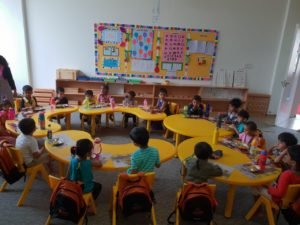
Interactive classrooms create an environment where learning becomes a shared experience. At Skalvi International School, classroom environments are designed to encourage interaction, allowing students to engage directly with teachers and peers during learning.
What Is an Interactive Classroom?
An interactive classroom is a learning environment where students actively participate in lessons through discussions, questions, activities, and collaborative learning.
Instead of only listening to explanations, students engage in conversations, share ideas, and contribute to the learning process.
At Skalvi International School, classrooms are designed to encourage open interaction so that every student has the opportunity to participate in discussions.
How Interactive Classrooms Work
Interactive learning environments usually include several engaging activities.
- Students asking questions and sharing ideas
- Group discussions and collaborative activities
- Students presenting their thoughts and perspectives
- Teachers guiding conversations instead of only delivering lectures
These practices help create a balanced and engaging classroom experience.
Why Interactive Classrooms Matter
Interactive classrooms support deeper understanding and active learning.
Encourages Student Participation
Students feel more confident when they are encouraged to share ideas and participate in discussions.
Improves Understanding
When students discuss concepts with teachers and classmates, they develop a clearer understanding of lessons.
Builds Communication Skills
Regular discussions help students express ideas and listen to others effectively.
Creates an Engaging Learning Environment
Interactive classrooms help students stay focused and interested in learning activities.
Learning environments like those at Skalvi International School encourage participation so that students remain actively involved in their learning journey.
Key Benefits of Interactive Classrooms
Interactive learning environments provide several benefits for students.
- Encourages active participation in lessons
- Strengthens communication and listening skills
- Promotes collaboration among students
- Helps students understand concepts clearly
- Builds confidence in expressing ideas
- Supports meaningful classroom discussions
These benefits help students become more engaged learners.
Interactive Classrooms vs Lecture-Based Classrooms
| Learning Feature | Interactive Classroom | Lecture-Based Classroom |
| Student Participation | High student involvement | Limited participation |
| Learning Style | Discussion and collaboration | Teacher-led explanation |
| Communication | Encourages idea sharing | Minimal student interaction |
| Engagement | Students actively participate | Students mainly listen |
| Understanding | Concepts explored through discussion | Concepts explained through lectures |
Practical Tips to Encourage Interactive Learning
Parents and educators can encourage interactive learning in several ways.
- Encourage students to ask questions during lessons
- Support group discussions and collaborative activities
- Allow students to share ideas and perspectives
- Encourage respectful listening and participation
- Provide opportunities for presentations and discussions
These practices help students become confident participants in the learning process.
Where Interactive Classrooms Are Applied
Classroom Discussions
Students share ideas and participate in meaningful conversations about lessons.
Group Activities
Collaborative activities allow students to explore concepts together.
Learning Presentations
Students explain concepts and share their understanding with classmates.
Interactive Projects
Students work together on projects and present their outcomes.
At Skalvi International School, interactive classroom environments help students engage actively and contribute to their learning experience.
Frequently Asked Questions
What is an interactive classroom?
An interactive classroom is a learning environment where students actively participate in discussions, activities, and collaborative learning.
Why are interactive classrooms important for students?
Interactive classrooms encourage participation, improve understanding, and help students develop communication and collaboration skills.
How can schools create interactive classrooms?
Schools can create interactive classrooms by encouraging discussions, collaborative activities, student presentations, and opportunities for students to share ideas.