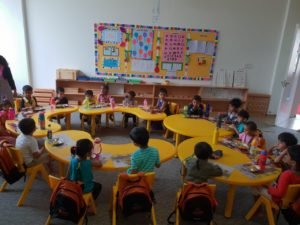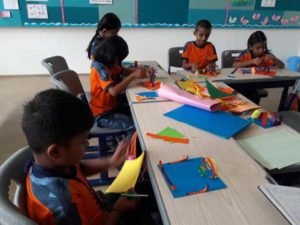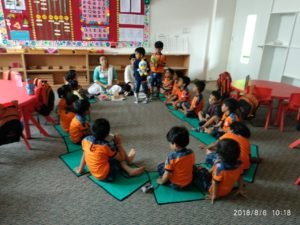
Education plays an important role in shaping how children learn, interact, and develop skills during their formative years. While academic learning remains a central focus of school education, other aspects such as physical activities, creativity, communication, and social interaction also contribute to a child’s growth.
Balanced development refers to the process of supporting different areas of a child’s development rather than focusing only on academic performance. Schools that encourage balanced development help students participate in activities that involve learning, creativity, physical movement, and collaboration.
At Skalvi International School, education includes opportunities for students to engage in academic learning as well as creative, physical, and interactive activities. By encouraging multiple forms of learning, Skalvi International School supports students in developing a wide range of skills during their school years.
Understanding balanced development helps parents recognize why schools like Skalvi International School focus on creating learning environments that support students in different areas of growth.
What Is Balanced Development in Education?
Balanced development refers to supporting multiple aspects of a child’s growth, including intellectual, physical, social, and creative development.
In a balanced learning environment, students participate in different types of activities that contribute to their understanding, skills, and interactions with others.
At Skalvi International School, balanced development is supported through structured academic lessons along with activities such as sports, arts, group learning, and classroom discussions.
This approach helps students explore different interests while continuing their academic progress.
Key Areas of Balanced Development
1. Academic Learning
Academic subjects such as mathematics, science, and language form the foundation of school education. These subjects help students develop knowledge and analytical thinking.
At Skalvi International School, teachers guide students through structured lessons that encourage understanding of academic concepts while also promoting classroom participation.
Academic learning supports students in developing problem-solving and reasoning skills.
2. Physical Development
Physical activities help students stay active and develop coordination, strength, and discipline.
Schools often include sports and physical education programs to support student participation in physical activities.
At Skalvi International School, sports and games are included as part of the school experience so that students can participate in regular physical activity.
These activities encourage movement, teamwork, and structured participation.
3. Creative Development
Creative subjects such as art, music, and craft allow students to express ideas in different forms.
At Skalvi International School, creative activities provide opportunities for students to explore imagination and artistic expression.
Creative learning helps students:
- express ideas visually or musically
- experiment with different materials
- participate in artistic projects
4. Social Development
School environments provide opportunities for students to interact with classmates and teachers.
Through group activities and classroom discussions at Skalvi International School, students learn how to communicate, cooperate, and share ideas with others.
Social development helps students build positive relationships within the school community.
5. Emotional Development
Children also benefit from environments where they can express thoughts and emotions in a supportive setting.
Teachers at Skalvi International School encourage respectful communication and thoughtful discussions, helping students feel comfortable participating in classroom activities.
This environment helps students develop confidence when sharing ideas.
Examples of Activities That Support Balanced Development
Schools provide different programs and activities to support balanced development.
Examples include:
- Classroom discussions and collaborative learning
- Sports and physical education sessions
- Art and music activities
- cultural events and school celebrations
- group projects and presentations
At Skalvi International School, these activities allow students to participate in multiple forms of learning throughout their school experience.
How Schools Encourage Balanced Development
Schools support balanced development by providing structured opportunities for students to participate in different activities.
Teachers and school staff contribute by:
- planning lessons that encourage interaction
- organizing sports and creative programs
- encouraging student participation in discussions
- providing guidance during projects and activities
At Skalvi International School, these approaches help students explore different areas of learning while continuing their academic studies.
Conclusion
Balanced development plays an important role in helping children grow in multiple areas during their school years. Along with academic learning, activities such as sports, creative programs, and collaborative learning contribute to a well-rounded educational experience.
Schools that support balanced development provide opportunities for students to explore knowledge, creativity, physical activity, and social interaction. At Skalvi International School, students participate in different types of learning experiences that help them develop a variety of skills throughout their education.
FAQ
What is balanced development in children?
Balanced development refers to supporting different aspects of a child’s growth, including academic learning, physical activity, creativity, and social interaction.
Why is balanced development important for students?
Balanced development helps students build knowledge, participate in activities, and develop different skills during their school years.
How do schools support balanced development?
Schools support balanced development through academic lessons, sports programs, creative activities, and collaborative learning experiences.
Do extracurricular activities contribute to balanced development?
Yes, extracurricular activities such as sports, arts, and clubs allow students to explore interests beyond classroom learning.