Introduction
A classroom becomes more meaningful when students and teachers actively interact with one another. Interaction allows students to share ideas, ask questions, and explore concepts through discussion. When learners participate in conversations and collaborative activities, they gain a clearer understanding of the subjects they study.
Classroom interaction encourages students to move beyond passive listening and become active participants in the learning process.
What Is Classroom Interaction?
Classroom interaction refers to the exchange of ideas, questions, and discussions between teachers and students, as well as among students themselves. It creates an environment where learning happens through communication, participation, and shared exploration of ideas.
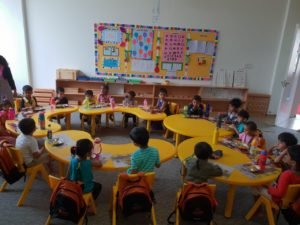
At Skalvi International School, classroom settings are designed to encourage interaction so that students can participate in discussions and engage with concepts more effectively.
Why Classroom Interaction Matters
Encourages Active Participation
When students participate in discussions, they become more involved in the learning process. Participation allows them to explore ideas rather than simply receiving information.
Supports Better Understanding
Discussing concepts helps students understand lessons from multiple perspectives. When students share their thoughts and listen to others, they develop a deeper understanding of the topic.
Builds Confidence in Communication
Classroom interaction allows students to express their ideas and viewpoints. Over time, this helps them develop confidence in communicating their thoughts clearly.
Encourages Curiosity and Questions
Interactive classrooms often encourage students to ask questions. These questions lead to discussions that help students explore topics more deeply.
Types of Classroom Interaction
Teacher–Student Interaction
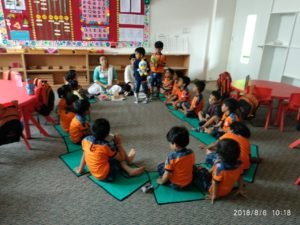
Teachers guide learning through explanations, discussions, and questions that encourage students to think about the topic.
Student–Student Interaction
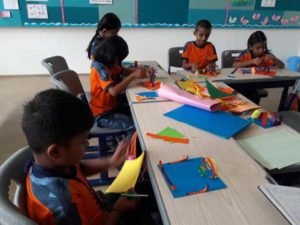
Students learn from one another through group discussions, collaborative tasks, and shared exploration of ideas.
Group Discussions
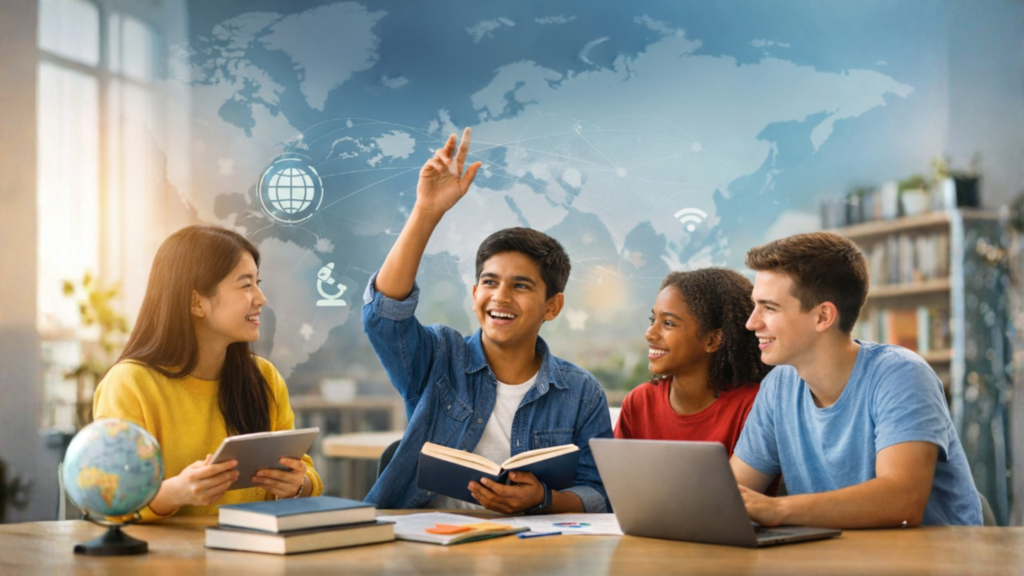
Group discussions allow students to exchange viewpoints and reflect on different interpretations of a topic.
Interactive Activities
Activities that involve participation help students connect with the subject and stay engaged during lessons.
How Interaction Improves Learning
Clearer Understanding of Concepts
When students discuss ideas, they can explore different viewpoints and clarify their understanding.
Improved Listening Skills
Interaction encourages students to listen carefully to others’ perspectives and reflect on what they hear.
Stronger Classroom Engagement
Participating in discussions and activities helps students stay focused and involved in the lesson.
Development of Social Skills
Collaborative discussions and group work help students develop teamwork and communication skills.
Creating an Interactive Classroom Environment
Teachers play an important role in encouraging interaction by creating opportunities for discussion and exploration. They guide conversations, encourage students to share their thoughts, and support collaborative learning activities.
At Skalvi International School, classroom environments encourage interaction so that students can participate actively in learning and explore ideas through discussion and collaboration.
Conclusion
Classroom interaction helps transform learning into a collaborative experience where students explore ideas through discussion and participation. When learners actively engage with teachers and classmates, they develop deeper understanding and stronger communication skills.
Interactive classrooms create opportunities for curiosity, exploration, and meaningful learning experiences.
FAQ
What is classroom interaction in education?
Classroom interaction refers to discussions and exchanges of ideas between teachers and students as well as among students.
Why is classroom interaction important?
Interaction helps students participate actively, understand concepts more clearly, and develop communication skills.
How do teachers encourage classroom interaction?
Teachers encourage discussions, group activities, and questions that allow students to share ideas.
How does classroom interaction improve learning?
Discussing ideas and perspectives helps students develop deeper understanding of concepts.