Questioning Encourages Critical Thinking in Students
Critical thinking develops when students are encouraged to ask questions, discuss ideas, and explore concepts actively. When classrooms move beyond memorization and promote inquiry, students begin to analyze information, evaluate evidence, and consider multiple perspectives. Inquiry-based learning transforms curiosity into structured analytical thinking and helps students engage more deeply with academic subjects.
Active participation allows learners to investigate concepts through observation, discussion, and experimentation. These experiences help students build confidence in expressing ideas while strengthening their reasoning abilities.
The Skalvi Approach: Learning by Doing
At Skalvi, learning is supported through active participation and exploration. The “Knowing by Doing” philosophy encourages students to engage directly with ideas rather than relying only on passive instruction.
Students ask questions, examine information, and collaborate with peers to explore possible answers. This approach promotes curiosity while helping learners develop a deeper understanding of academic concepts.
Through interactive lessons and discussions, students learn to approach problems thoughtfully and explore solutions using logic and evidence.
Developing Analytical Skills Through Participation
Analytical thinking improves when students interact with ideas through practical activities and discussions. Instead of simply memorizing information, learners benefit from environments where they can analyze concepts, examine perspectives, and apply knowledge in meaningful contexts.
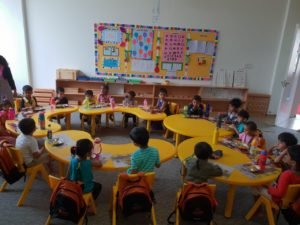
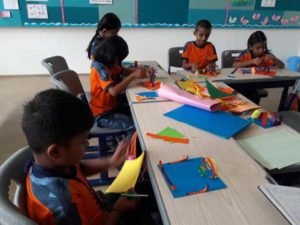
In the early years, structured activities encourage guided exploration. These experiences stimulate curiosity, improve coordination, and allow students to understand concepts through interaction.
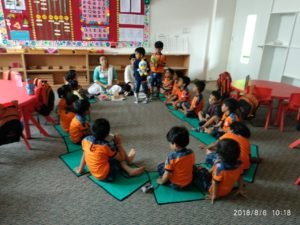
Students also participate in discussions and collaborative activities that encourage them to process information actively rather than passively receiving it.
Encouraging Questioning in the Classroom
Effective questioning is one of the most powerful tools in education. When teachers ask open-ended questions, students are encouraged to think independently and explore different explanations.
This approach helps students:
- Analyze ideas more deeply
- Evaluate evidence before forming conclusions
- Develop logical reasoning skills
- Participate actively in classroom discussions
By encouraging students to ask questions and explore solutions, classrooms become environments where curiosity and learning thrive.
The Role of Classroom Design
The physical environment also influences how students participate in learning. Classrooms arranged in U-shaped seating layouts allow students to maintain visual contact with both facilitators and classmates.
This design encourages:
- Open discussions
- Peer learning opportunities
- Greater engagement during lessons
- Collaborative problem solving
When students can easily see and interact with one another, communication and participation increase naturally.
Peer Learning and the “Teach to Learn” Approach
Peer learning allows students to explain ideas and concepts to classmates. This process strengthens understanding because explaining information requires students to organize their thoughts clearly.
The “Teach to Learn” approach supports:
- Concept reinforcement through explanation
- Stronger communication skills
- Improved listening and discussion abilities
- Collaborative problem solving
These interactions also help students become more confident in sharing their ideas and engaging in group learning.
Developing Thinking Skills in Middle School
Middle school is a critical stage for strengthening reasoning and analytical thinking. During these years, students are encouraged to examine evidence, compare perspectives, and evaluate possible solutions.
Activities such as:
- Presentations
- Debates
- Collaborative projects
- Group discussions
allow students to explain their reasoning and refine their thinking skills while working with peers.
Benefits of Inquiry-Based Learning
Inquiry-based learning supports the development of several important skills:
- Independent thinking through questioning and exploration
- Collaborative learning through peer discussions
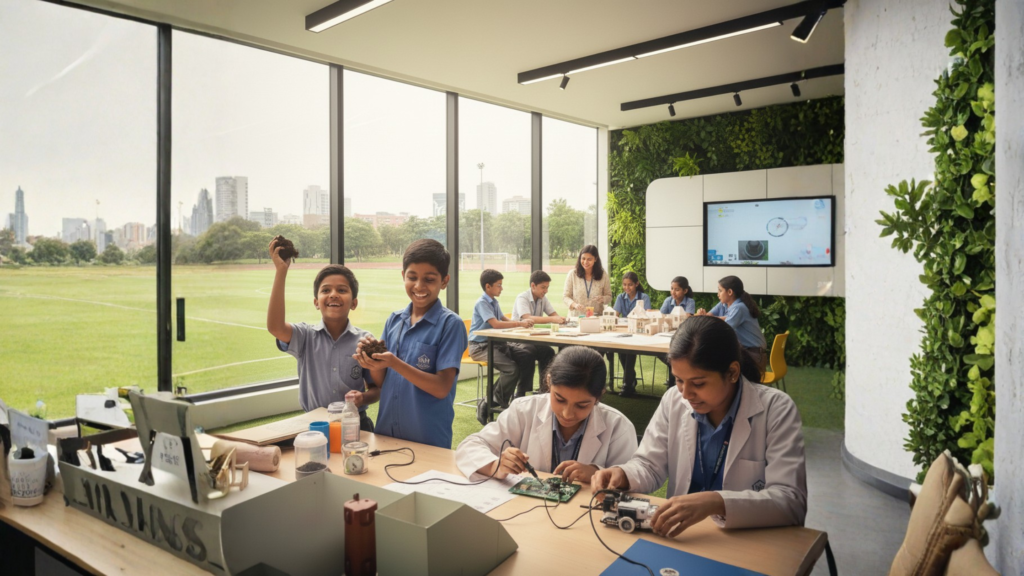
- Conceptual understanding through hands-on activities
- Communication development through presentations and dialogue
These experiences help students become confident learners who can think critically and engage with ideas thoughtfully.
Frequently Asked Questions
How does questioning improve critical thinking in students?
Questioning encourages students to analyze information, evaluate different viewpoints, and explore possible solutions. This process strengthens reasoning and supports deeper understanding of academic concepts.
How does peer learning support understanding?
Peer learning allows students to explain ideas and discuss concepts with classmates. These discussions reinforce understanding and improve communication skills.
Why do classroom layouts influence participation?
Classroom layouts that encourage visibility and interaction help students engage more actively in discussions and collaborative learning activities.