While traditional platforms focus on volume—thousands of hours of video content—Skalvi focuses on value through direct interaction. This shift from mass-produced lectures to tailored guidance represents a significant revolution in how we perceive online learning. In this post, we explore why this personalized approach is outperforming traditional methods and how it serves as a superior alternative to online schooling.
Beyond the Screen: The Limits of Traditional Online Lectures
For decades, the standard for online education was the Massive Open Online Course (MOOC). While revolutionary in accessibility, these platforms often suffer from low completion rates. The reason is simple: they lack accountability and personalization. A student watching a pre-recorded lecture is a passive observer, not an active participant.
The Engagement Gap
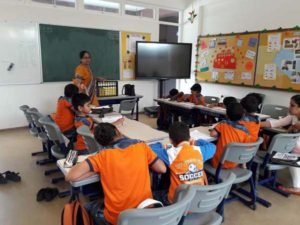
In a standard online schooling setup, a teacher might broadcast to thirty or forty students simultaneously. The opportunities for individual questions are minimal, and the curriculum marches on regardless of whether every student has grasped the concept. This creates an engagement gap where students drift off, turning off their cameras and their minds. Without interactive learning for students, the screen becomes a barrier rather than a gateway.
Decoding the Skalvi Learning Model
So, what makes the Skalvi learning model distinct? It is built on the premise that education is a dialogue, not a monologue. Unlike platforms that function as content repositories, Skalvi operates as a mentorship ecosystem.
Mentorship at the Core
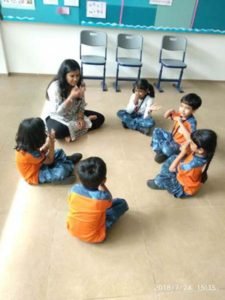
At Skalvi, the mentor is not just an instructor but a guide. This model recognizes that every child learns differently. Some require visual aids, others need practical application, and some thrive on theoretical discussion. By prioritizing 1-on-1 or small group interactions, the Skalvi learning model ensures that the pace of teaching matches the pace of learning.
A Truly Personalized Learning Platform in India
As a leading personalized learning platform India has been waiting for, Skalvi leverages technology not to replace teachers, but to empower them. Data-driven insights allow mentors to identify exactly where a student is struggling, allowing for immediate course correction. This creates a feedback loop that is impossible in a traditional lecture hall or a static video course.
Skalvi vs Online Schooling: A Comparative Analysis
Parents often ask about the difference between Skalvi vs online schooling. While both utilize the internet, the philosophy differs radically.
- Traditional Online Schooling: Often replicates the industrial classroom model digitally. It focuses on standardized testing, rote memorization, and rigid schedules.
- Skalvi: Focuses on the individual. It is an alternative to online schooling that prioritizes mastery over completion. If a student needs more time on a complex topic, they get it. If they are ready to surge ahead, they aren’t held back by the class average.
This difference is crucial for parents looking for more than just a certificate. It is for those seeking genuine intellectual growth.
A Holistic Education Approach for the Modern World
Academics are only one slice of the pie. The modern world demands more than just good grades; it demands critical thinking, adaptability, and emotional intelligence. This is where Skalvi’s holistic education approach shines.
Skills-Based Education India Needs
The job market is shifting rapidly. Rote learning is becoming obsolete in the face of AI and automation. Skills-based education India needs to prioritize includes problem-solving, coding, creative writing, and public speaking. Skalvi integrates these skills directly into the curriculum, ensuring that students are not just learning facts, but learning how to think and create.
Confidence-Building Education
One of the most overlooked aspects of mentorship is the boost in self-esteem. In a large class, a student may be afraid to raise their hand for fear of being wrong. In a mentorship setting, mistakes are viewed as learning opportunities. This confidence-building education fosters a growth mindset, encouraging students to tackle difficult challenges without the fear of judgment.
Student Engagement Programs That Actually Work
To keep students interested, Skalvi employs robust student engagement programs. These aren’t just gamified badges; they are deep, interactive learning for students involving real-world projects and collaborative problem-solving.
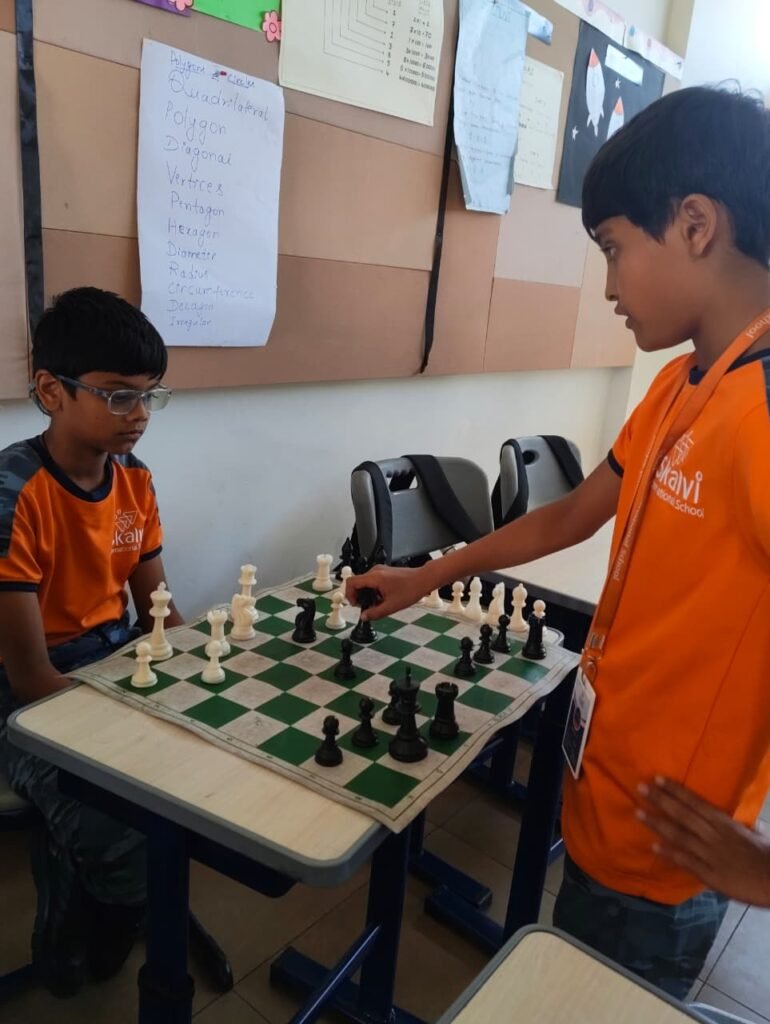
For example, rather than just reading about physics, a student might engage in a guided simulation to build a bridge structure. Rather than memorizing history dates, they might debate the cause-and-effect of historical events with their mentor. This active participation cements knowledge in long-term memory far better than passive listening ever could.
Conclusion: Embracing the Future of Learning
The era of “one size fits all” education is drawing to a close. As parents and educators look for better ways to prepare the next generation, the Skalvi learning model stands out as a robust solution. By combining the convenience of digital access with the irreplaceable value of human mentorship, Skalvi offers a path that leads not just to better grades, but to better-prepared individuals.
If you are looking for an educational partner that values your child’s unique potential, it is time to look beyond traditional lectures. It is time to embrace the mentorship revolution.